
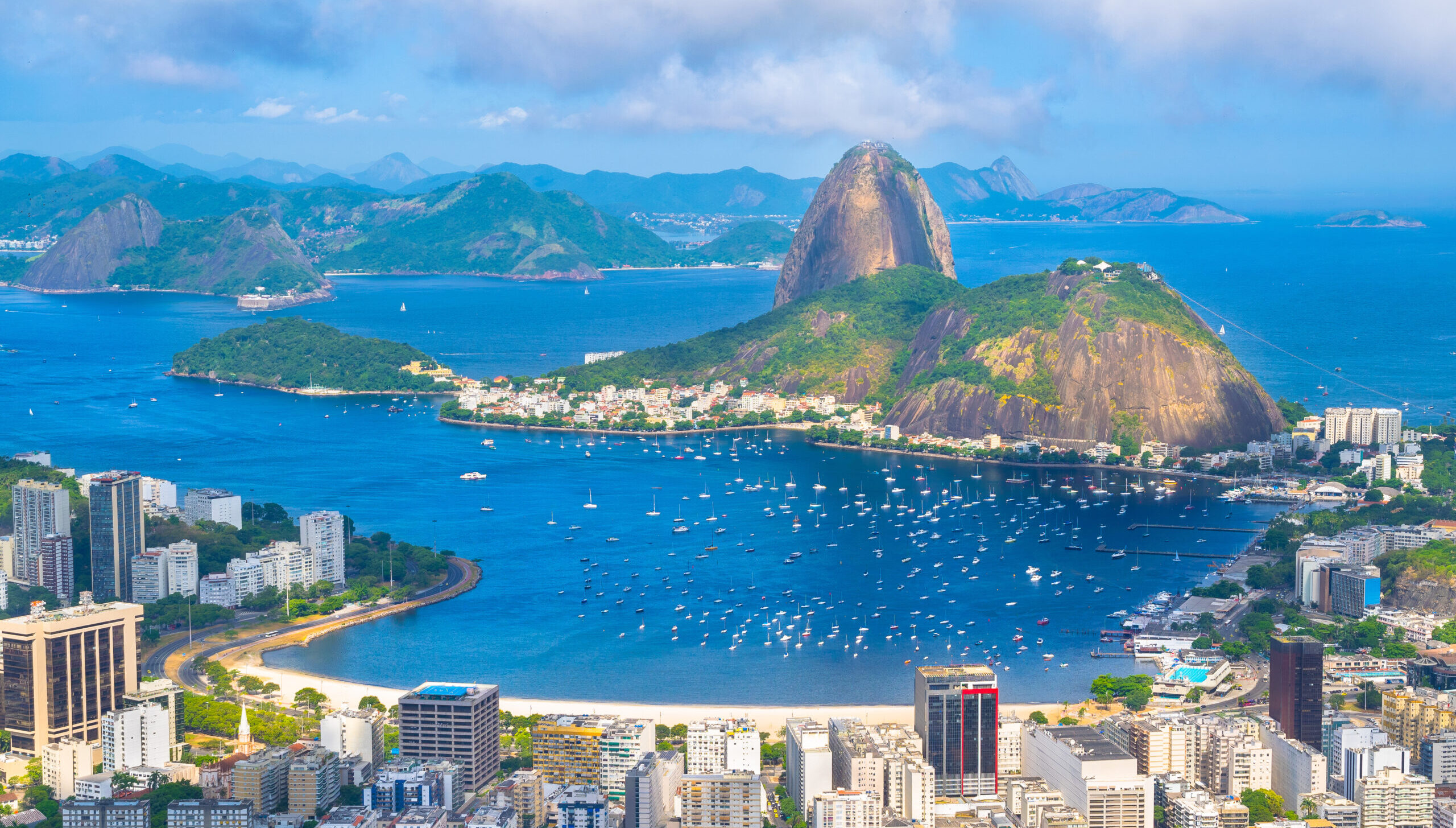
Latin America doesn’t need a sales pitch. It’s been doing just fine without one.
The food alone could close the deal. Add the weather, the architecture, the fact that your rent can drop by two-thirds without your quality of life dropping at all, and suddenly the question isn’t why you’d move here. It’s why you waited this long.
What changed is that you can now do it without quitting anything. Remote work, freelance income, an online business. Whatever your setup, if your work follows your laptop, Latin America is no longer a vacation you take. It’s a life you can actually live.
Governments figured this out too. Some moved fast, building visa pathways designed specifically for location-independent workers. Others already had the infrastructure, residency programs that have been quietly working for years, waiting for people to notice. A few haven’t caught up on paper, but offer something the visa-heavy countries can’t always match: a cost of living so low it makes the paperwork irrelevant.
This guide covers 12 countries, organized into four groups, because Latin America isn’t a monolith and pretending otherwise doesn’t help anyone.
The Nomad Circuit covers Colombia, Mexico, and Brazil, where most people start, and for good reason. The infrastructure is there. The communities are established. The airports are well connected. These are the countries that have been absorbing location-independent workers long enough to know what they need.
The Southern Cone covers Chile, Argentina, Uruguay, and Paraguay. Stable, serious, and increasingly on the radar of anyone thinking beyond a short stay. Argentina right now is arguably the best value proposition in the world for dollar and euro earners. Paraguay offers one of the most accessible residency pathways on earth. Chile and Uruguay offer what most of the region can’t: reliability. This is Latin America’s Plan B. For a lot of people, it becomes Plan A.
Central America covers Costa Rica, Panama, and Guatemala, and rewards the people who don’t need a world-class city to feel at home. Lower cost, slower pace, and in Antigua’s case, the kind of place you show up for two weeks and start pricing apartments. Panama City is the exception. It moves fast, connects everywhere, and has an airport that makes the rest of the region feel accessible.
South America: The Ones Nobody Talks About Enough covers Peru and Ecuador, and these are for the people who do their own research. Lima has one of the great food scenes on earth and a coworking infrastructure that most cities twice its size would envy. Ecuador runs on US dollars, which sounds like a small thing until you’ve dealt with currency volatility somewhere else and realized it isn’t.
What follows is the practical side: visa type, income requirements, cost of living, where to actually base yourself, and an honest take on each country. Not a tourism brochure. If a place has a catch, we’ll say so. If it’s genuinely exceptional, we’ll say that too.
Twelve countries. One region. A lot of options. Let’s get into it.

The Nomad Circuit: Latin America’s Most Established Bases
1. Colombia – Migrant (M) Visa for Digital Nomads
Duration: Up to 2 years
Income Requirement: $900/month
Cost Snapshot: One of the lowest-cost entries into nomad life; Medellín is rising in price but still offers strong value.
Best Cities for Nomads: Medellín for climate and community, Bogotá for big-city life, Cartagena for coastal energy.
Why Colombia? Low income threshold, thriving innovation hubs, and a year-round spring climate make Colombia highly attractive.
Read the Full Colombia Guide for Digital Nomads
2. Mexico – Temporary Resident Visa
Duration: Up to 4 years
Income Requirement: $2,600/month or equivalent savings
Cost Snapshot: Everyday costs are lower than the US, with Mexico City higher than coastal hubs like Playa del Carmen or Oaxaca.
Best Cities for Nomads: Mexico City for culture, Playa del Carmen for beach life, Oaxaca for creative community.
Why Mexico? Established nomad hubs with vibrant expat networks and deep cultural richness.
Read the Full Mexico Guide for Digital Nomads
3. Brazil – Digital Nomad Visa
Duration: 1 year (renewable up to 2)
Income Requirement: $1,500/month or $18,000 in savings
Cost Snapshot: Daily life and housing are lower than Europe or North America, though imported tech and coastal hotspots can be pricier.
Best Cities for Nomads: São Paulo for startup energy, Rio de Janeiro for lifestyle, Florianópolis for beach and tech balance.
Why Brazil? From Rio’s beaches to São Paulo’s startup scene, Brazil delivers culture, energy, and a digital nomad visa with a modest income bar.
Read the Full Brazil Guide for Digital Nomads
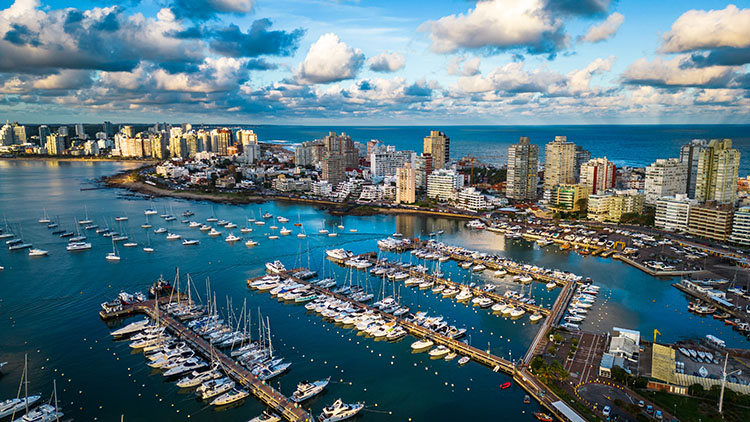
The Southern Cone: Latin America’s Plan B
4. Chile – Temporary Residence Visa for Remote Workers
Duration: 1 year (renewable, with path to residency)
Income Requirement: Proof of steady remote income (no fixed minimum published)
Cost Snapshot: Santiago’s costs are similar to Southern Europe, while smaller cities and coastal towns are more affordable.
Best Cities for Nomads: Santiago for infrastructure, Valparaíso for culture, Pucón for outdoor living.
Why Chile? Stable, modern, and wired — with Patagonia and the Atacama Desert waiting once you close the laptop. Chile is South America’s most reliable base.
Read the Full Chile Guide for Digital Nomads
5. Argentina — Rentista Visa
Duration: 1 year (renewable)
Income Requirement: Proof of remote income (no fixed minimum published)
Cost Snapshot: Buenos Aires is extraordinary value right now — a world-class city at a fraction of Western prices due to favorable exchange rates. One of the best cost-to-quality ratios anywhere for nomads.
Best Cities for Nomads: Buenos Aires for culture, food, and nightlife; Mendoza for wine country and outdoor access; Córdoba for a younger university-town energy.
Why Argentina? Few cities on earth offer what Buenos Aires does — European-style architecture, world-class food and coffee culture, a thriving arts scene, and fast internet — at these prices. The exchange rate situation makes it particularly compelling for dollar or euro earners.
Read the Full Argentina Guide for Digital Nomads
6. Uruguay – Digital Nomad Visa
Duration: 6–12 months (renewable)
Income Requirement: No fixed minimum, just proof you earn remotely
Cost Snapshot: Comparable to Eastern Europe; daily life is affordable, but imported goods run higher.
Best Cities for Nomads: Montevideo for culture and coworking, Punta del Este for coastal living.
Why Uruguay? Safe, coastal living with reliable Wi-Fi and a low-key lifestyle.
Read the Full Uruguay Guide for Digital Nomads
7. Paraguay — Permanent Residency Visa
Duration: Permanent residency available within months
Income Requirement: Low bar — proof of modest income or a small bank deposit
Cost Snapshot: One of the least expensive countries in South America. Asunción is affordable across the board — housing, food, and transport are all well below regional averages.
Best Cities for Nomads: Asunción is the main base; the country is small enough that most people treat it as a residency hub rather than a long-term home.
Why Paraguay? Not a traditional lifestyle destination, but Paraguay offers one of the fastest and most accessible permanent residency pathways in the Americas — a serious draw for anyone thinking about a second residency, tax planning, or a long-term base in South America.
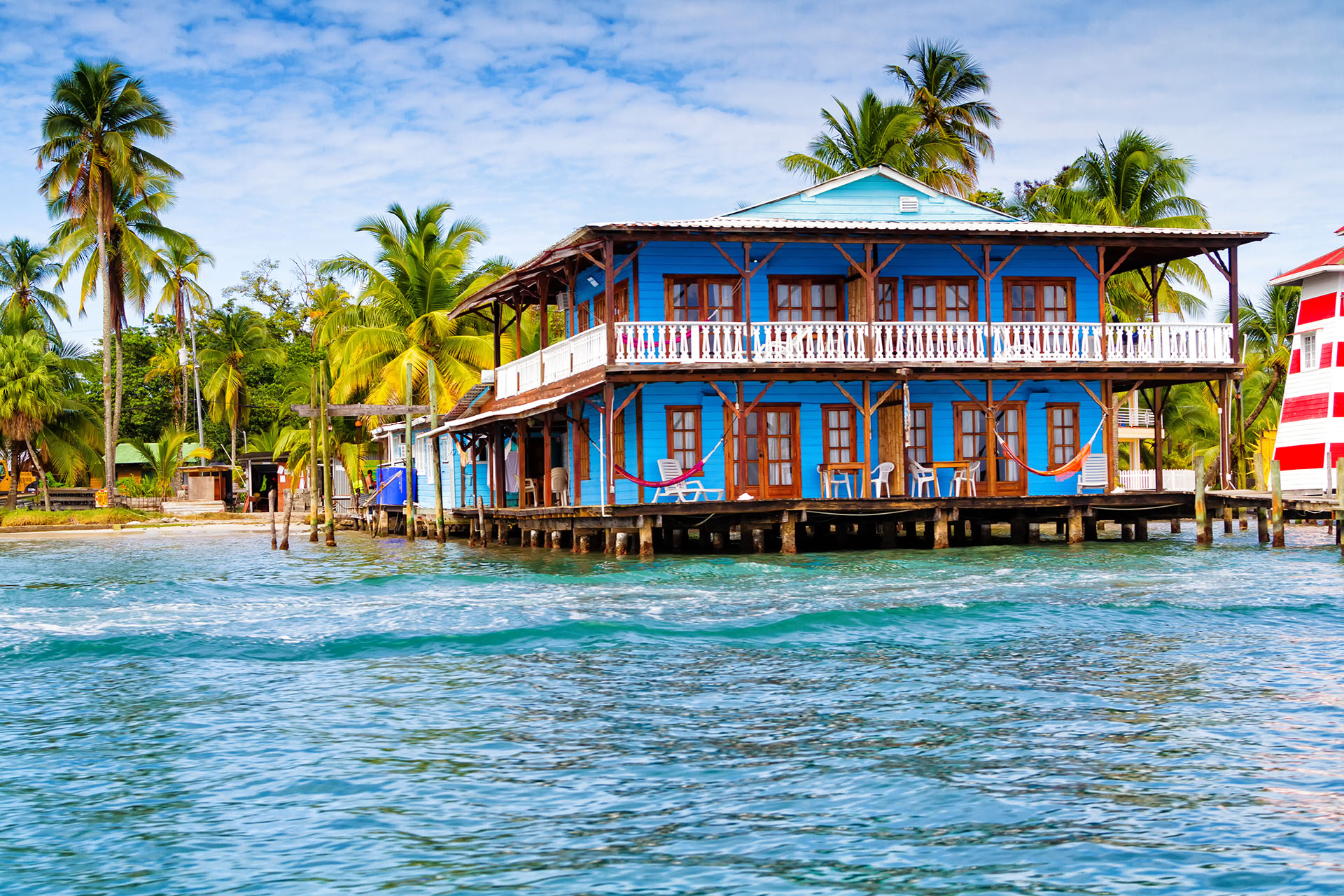
Central America: Low Cost, High Quality of Life
8. Costa Rica – Rentista Visa
Duration: 2 years (renewable)
Income Requirement: $2,500/month or a $60,000 deposit
Cost Snapshot: Higher than some Latin American neighbors, but strong healthcare and safety add value.
Best Cities for Nomads: San José for convenience, Tamarindo for surf, Santa Teresa for wellness.
Why Costa Rica? A stable, eco-conscious country where “pura vida” is more than a slogan — it’s the rhythm of daily life.
Read the Full Costa Rica Guide for Digital Nomads
9. Panama — Friendly Nations Visa
Duration: The Friendly Nations Visa leads to permanent residency, typically processed within a few months.
Panama also offers a Pensionado Visa for retirees, a Self-Economic Solvency Visa for those with savings or investments, and a Short Stay Visa for up to 180 days.
Most location-independent workers enter on the Short Stay Visa while processing a longer-term option.
Income Requirement: Proof of remote income
Cost Snapshot: Panama City is the most expensive capital in Central America but offers first-world infrastructure at emerging market prices.
Best Cities for Nomads: Panama City for connectivity and transit, Boquete for mountain living, Bocas del Toro for island life.
Why Panama? Almost every LatAm traveler passes through Panama City at some point — and many end up staying. PTY is one of the best-connected airports in the region, and the Friendly Nations Visa remains one of the more accessible long-stay options in the Americas.
Read the Full Panama Guide for Digital Nomads

10. Guatemala — Tourist Visa
Duration: 90 days (extendable)
Income Requirement: No formal minimum — no dedicated remote work visa yet
Cost Snapshot: Among the most affordable countries in the Americas. Antigua in particular offers excellent value with a high quality of life.
Best Cities for Nomads: Antigua for colonial charm and a strong expat community, Lake Atitlán for slower-paced living, Guatemala City for connectivity.
Why Guatemala? Antigua has quietly become one of Central America’s most beloved slow-travel bases — cobblestone streets, volcano views, great coffee (it’s grown here), and a coworking scene that punches well above its size. No dedicated remote work visa yet, but the 90-day tourist allowance works well for most and can be extended.
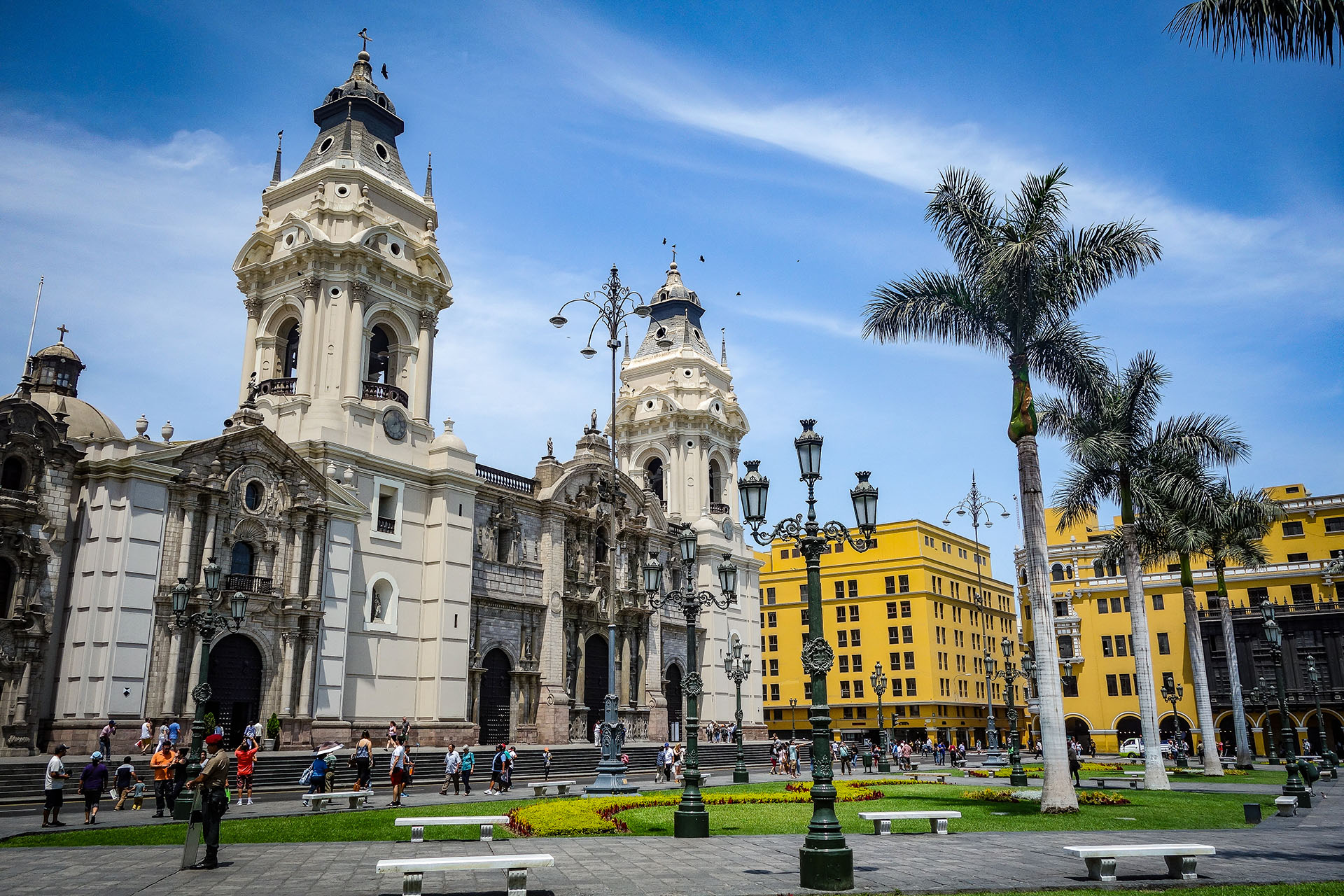
South America: The Ones Nobody Talks About Enough
11. Peru — Tourist Visa
Duration: Up to 183 days
Income Requirement: No formal minimum — no dedicated remote work visa yet
Cost Snapshot: One of the most affordable countries in South America, with Lima offering city infrastructure at low prices.
Best Cities for Nomads: Lima for connectivity and food scene, Cusco for culture and slower pace, Arequipa for an underrated mid-sized city experience.
Why Peru? Lima has quietly developed a serious location-independent infrastructure — fast internet, great coworking, and one of the best food cities in the world. No dedicated remote work visa yet, but the generous tourist allowance works well for most.
Read the Full Peru Guide for Digital Nomads
12. Ecuador — Tourist Visa / Professional Visa
Duration: Tourist visa 90 days; longer-stay professional and investment visas available
Income Requirement: Varies by visa category
Cost Snapshot: One of the most affordable countries in South America. Ecuador uses the US dollar, eliminating currency risk entirely and making budgeting straightforward.
Best Cities for Nomads: Quito for altitude, culture, and coworking infrastructure; Cuenca for a relaxed expat-friendly pace.
Why Ecuador? The dollar economy is a sleeper advantage most people don’t think about until they arrive — no exchange rate stress, predictable pricing, and straightforward banking. Quito is underrated as a base and Cuenca has one of the most established expat communities in South America. No dedicated remote work visa yet, but visa options exist for longer stays.
Disclosure: Portions of this article were created with the assistance of AI tools and reviewed by the Nomados editorial team for accuracy and clarity.

The doors are open on Nomados Pro!
Plan journeys. Save itineraries. Use Miles, your AI travel assistant, to think through options and decisions. Add services on demand like airport lounges, data plans, and visas when you need them.