
Digital Nomad Visa Status in Slovenia
Slovenia has explored the idea of a digital nomad visa, but as of now there is no official program available for remote workers. Several early proposals were discussed, yet none have been approved or launched.
Even without a dedicated nomad visa, Slovenia remains a strong option for remote workers who want a scenic, well connected base in Central Europe. Travelers can still visit through standard Schengen entry or long stay options where eligible, and use Slovenia as a jumping off point for exploring the region.
This guide gives you a clear overview of Slovenia’s current visa landscape for remote workers, along with practical details on cost of living, cities, coworking, and lifestyle so you can decide if it fits your plans.
Visa Options for Digital Nomads in Slovenia
Slovenia does not currently offer a dedicated digital nomad visa. Early discussions suggested a possible remote work permit, but no official program has been created or approved. For now, digital nomads can enter and stay in Slovenia through the same pathways available to other non-EU travelers.
Here are the options that remote workers typically use:
Short Stay in the Schengen Area (up to 90 days)
Non-EU citizens can visit Slovenia for up to 90 days within a 180-day period under standard Schengen rules. This is suitable for short stays or for nomads who move frequently between countries.
Long Stay Visa (D Visa)
Some travelers may qualify for a long stay visa that allows them to remain in Slovenia for more than 90 days. These applications are assessed on a case-by-case basis and are not designed specifically for remote workers. Requirements may include proof of income, accommodation, insurance, and a clear purpose for the stay.
Residence Permits
Slovenia offers several residence permits, but none are tailored to remote work. Permits are generally tied to employment, study, family reunion, or other defined purposes. Remote workers who earn income from foreign sources do not currently have a clear pathway under these categories.
EU/EEA Citizens
EU and EEA nationals can live and work in Slovenia without a visa. Registration with local authorities is required for stays longer than 90 days.
Proposed Digital Nomad Visa
Slovenia previously explored a dedicated visa for digital nomads, but no launch date or policy framework has been announced. Any future updates will be added to this guide when official information becomes available.
The doors are open on Nomados Pro!
Plan journeys. Save itineraries. Use Miles, your AI travel assistant, to think through options and decisions. Add services on demand like airport lounges, data plans, and visas when you need them.

Best Cities for Digital Nomads in Slovenia
Slovenia might be small, but its cities and towns cover a lot of ground for remote workers:
Ljubljana
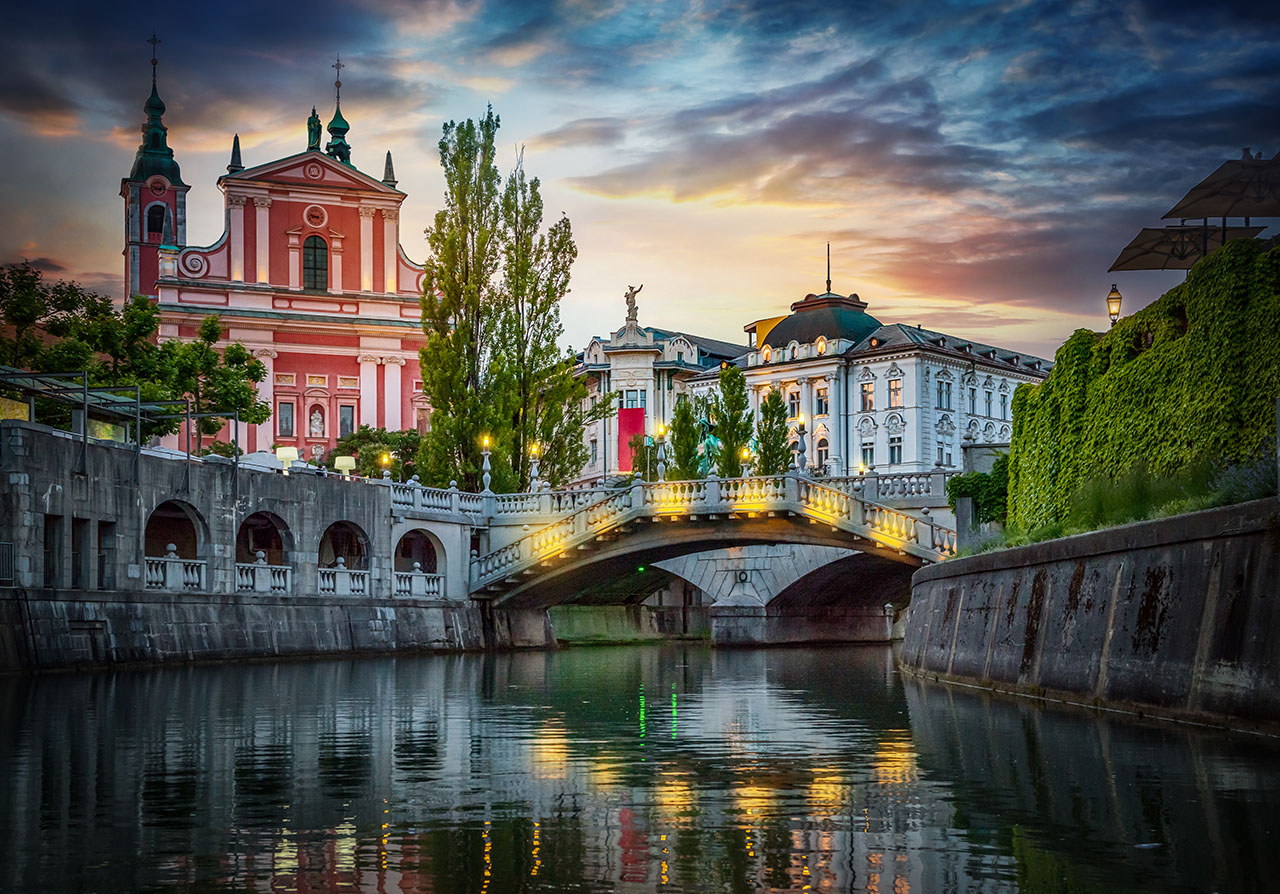
Slovenia’s capital is compact, creative, and built for movement. Cobblestone streets wind past riverside cafés, while bike paths and coworking hubs make it easy to blend work with exploration. The Wi-Fi is fast, English is widely spoken, and the city has a surprisingly strong startup scene for its size. You’ll find coworking spaces like Poligon, MP Coworking, and Kreativna cona Šiška, plus plenty of short-term apartments near the Old Town and Trnovo neighborhoods. Ljubljana gives you European culture without the overwhelm of bigger capitals.
Lake Bled
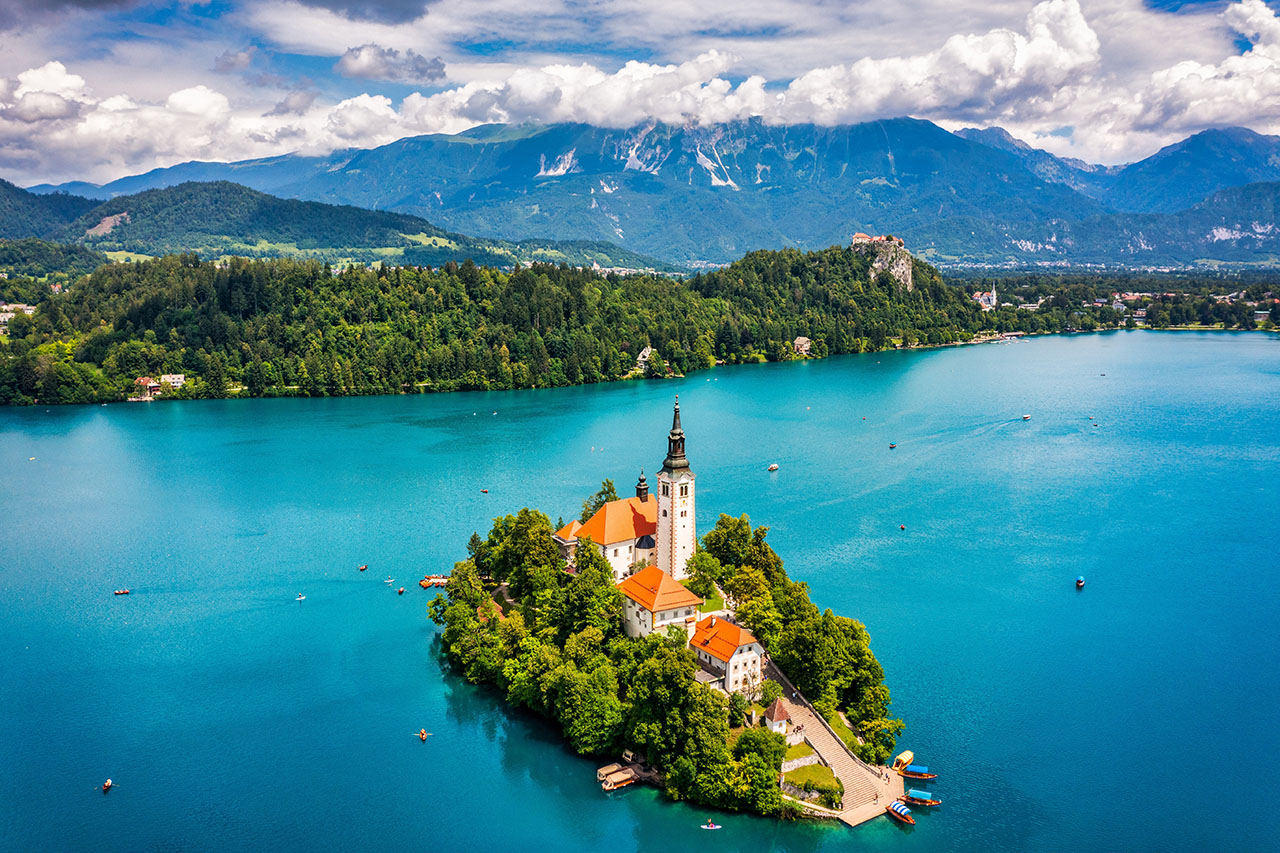
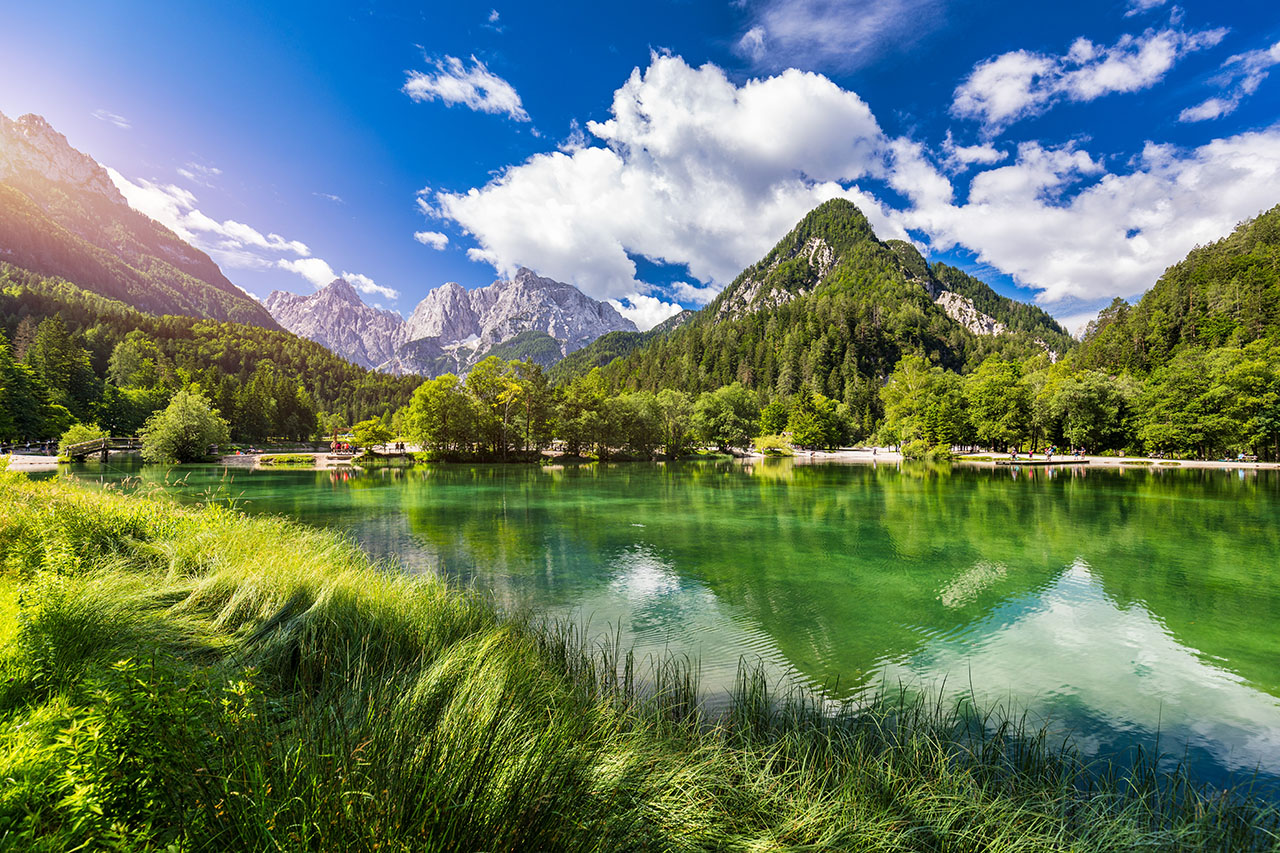
If your dream workday includes a laptop view of turquoise water and alpine peaks, Bled delivers. It’s more resort than city, but reliable broadband and a handful of remote-friendly cafés make it feasible for slower-paced work. The area is ideal for writers, designers, or solo entrepreneurs who want quiet surroundings and weekend hikes instead of nightlife. In winter, you’re an hour from ski slopes; in summer, you can swim or paddleboard between calls.
Maribor
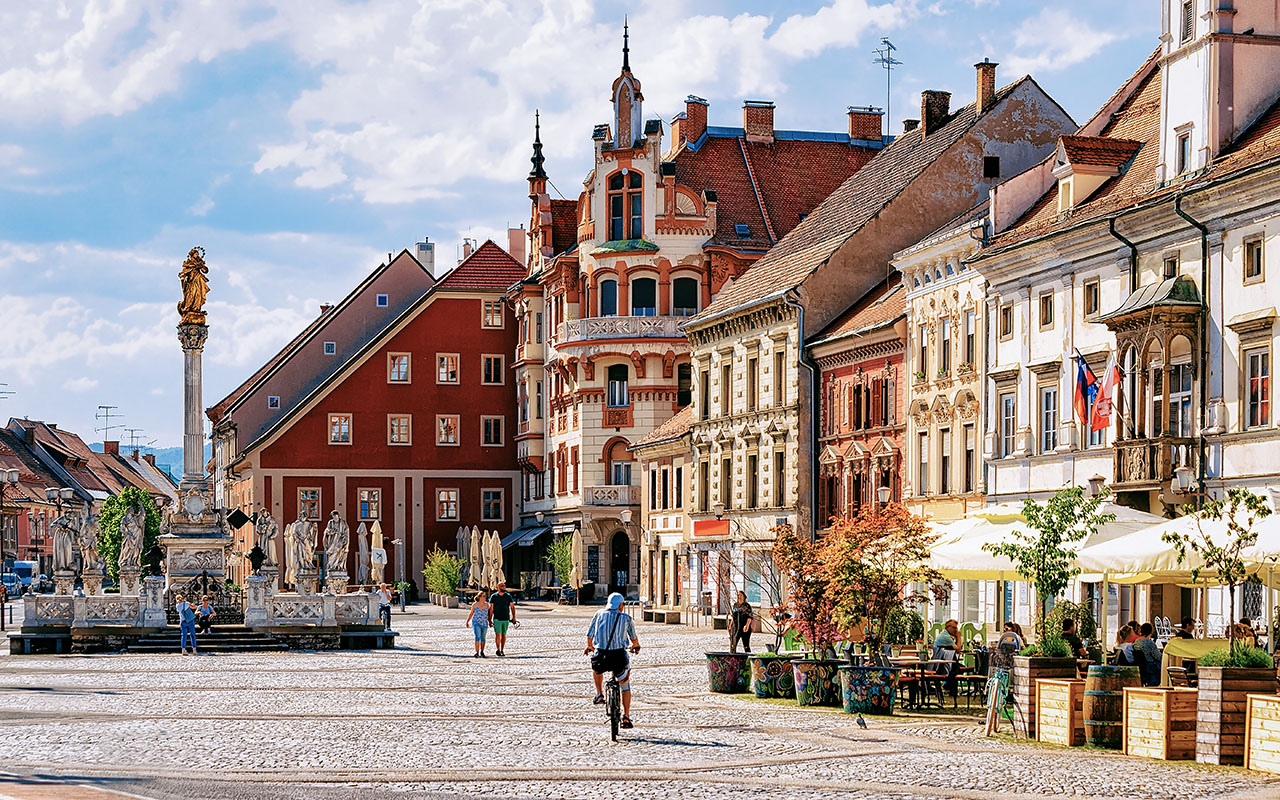
Set in the country’s northeast, Maribor is Slovenia’s wine capital and second-largest city — though it still feels relaxed. Living costs run lower than in Ljubljana, and there’s a growing community of freelancers drawn by the laid-back rhythm, vineyard views, and good transport links to Austria. Expect solid Wi-Fi, coworking at KID KIBLA or Venture Factory, and a creative crowd shaped by the city’s university and arts festivals.
Koper
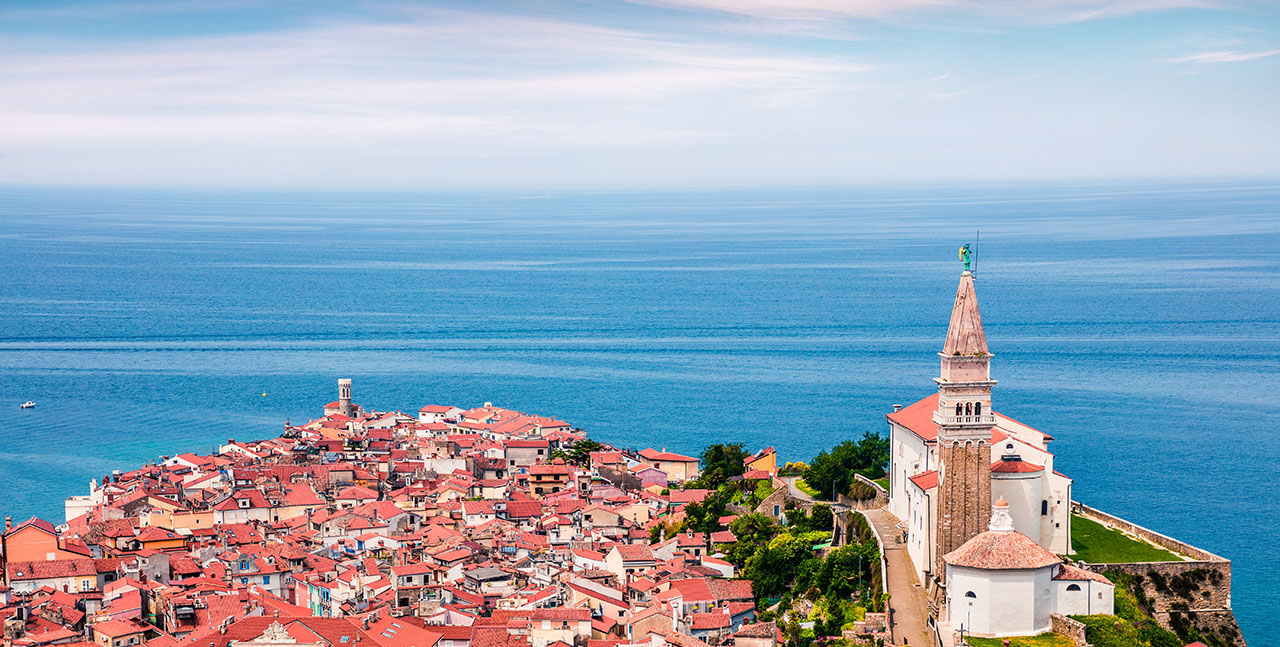
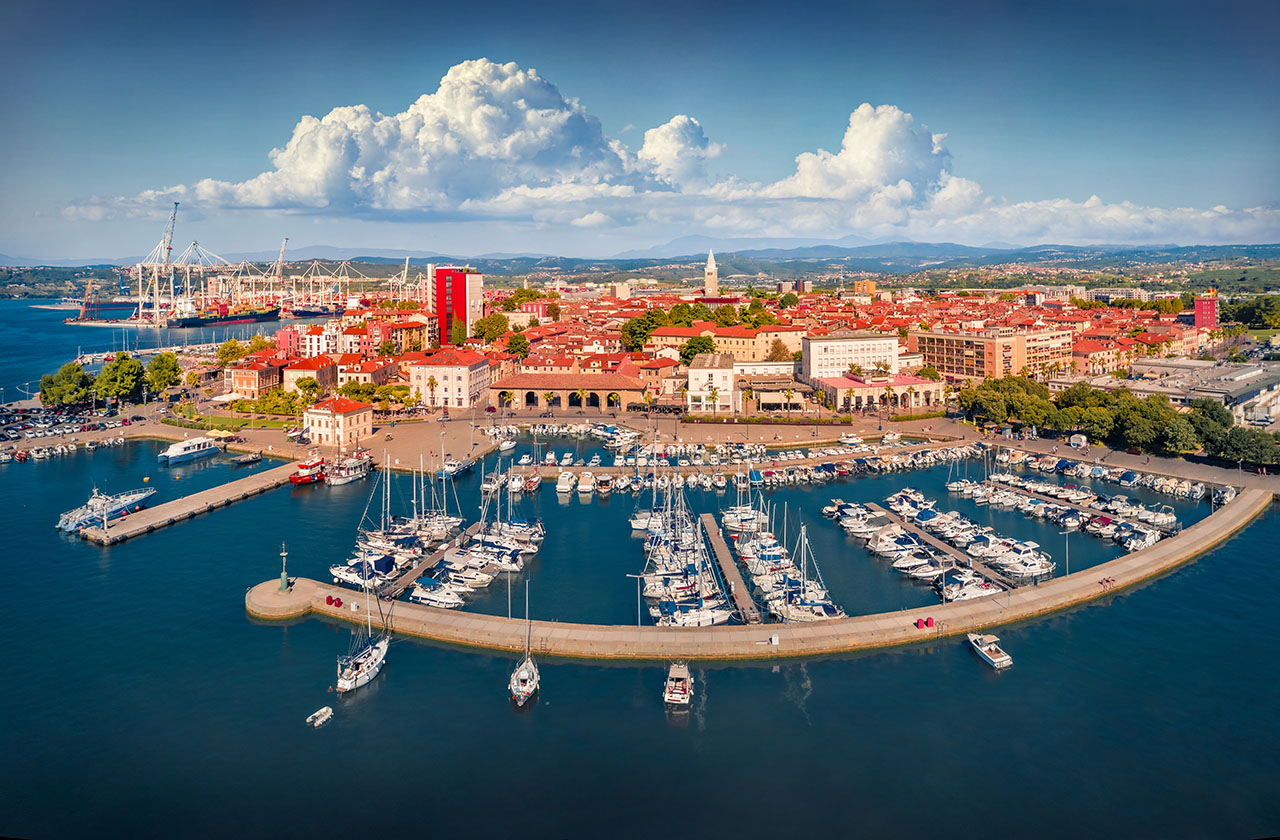
Perched on the Adriatic coast, Koper combines seaside living with easy cross-border access to Italy and Croatia. You can work mornings from a coworking café and spend afternoons by the water or on a ferry to Venice. Internet speeds are strong, and housing runs cheaper than in other Mediterranean hubs. English and Italian are both common, and the climate stays mild year-round — perfect for nomads chasing warmth without crowds.
Slovenia Cost of Living
Slovenia’s cost of living sits between Western and Eastern Europe.
- Apartments: €700–€1,100 in Ljubljana, less elsewhere
- Coworking: €120–€200/month
- Meals: €10–€15 for casual dining
- Coffee: €2–€3
Overall, expect to live comfortably on €1,800–€2,500/month depending on city and lifestyle.
Coworking & Internet
Internet in Slovenia ranks among the most reliable in Central Europe, averaging 80–100 Mbps in major cities.
Ljubljana has multiple coworking hubs, including Poligon, MP coworking, and Kreativna cona Šiška. Smaller towns like Maribor and Koper have growing coworking networks, often connected to local universities or innovation hubs.
Lifestyle & Culture in Slovenia
Slovenia consistently ranks high for safety, healthcare, and environmental quality. English is widely spoken, especially among younger generations.
The country’s compact size makes weekend getaways easy — from hiking Triglav National Park to swimming in the Adriatic.
While the digital nomad scene is still emerging, Ljubljana’s startup and creative communities make it a natural hub once the visa opens.
FAQs About Slovenia for Digital Nomads
Does Slovenia have a digital nomad visa?
No. Slovenia does not currently offer a digital nomad visa. The idea has been discussed publicly, but no official program has been approved or launched.
Is there a timeline for when a digital nomad visa might be available?
There is no confirmed timeline. Earlier expectations for a potential launch were never formalized. If Slovenia announces a new remote work permit in the future, this guide will be updated with official details.
How long can digital nomads stay in Slovenia now?
Non-EU citizens can stay for up to 90 days within a 180-day period under Schengen short stay rules. Longer stays may be possible with a D visa or residence permit, though these are not designed for remote workers.
Can remote workers apply for a long stay permit?
Slovenia offers long stay visas and residence permits, but they require a specific purpose such as employment, study, or family reunion. Remote work for a foreign employer does not currently qualify as its own category.
Can I work remotely from Slovenia while on a tourist or Schengen short stay visa?
Remote work for a foreign employer or clients is generally allowed during a short stay, as long as you are not engaging in local employment. Travelers must still comply with all Schengen entry rules.
What are the income requirements for remote workers?
There are no official income thresholds for digital nomads because no nomad visa exists. Some long stay visa categories require proof of sufficient financial means, but the amounts vary by category.
Will I owe taxes in Slovenia if I work remotely while staying there?
Tax liability depends on factors such as the length of your stay and whether you become a tax resident. Short stays do not typically create tax residency. For longer stays or future visa options, it is best to consult a professional regarding your specific situation.
Is Slovenia part of the Schengen Area?
Yes. Slovenia is a Schengen member, which allows seamless travel across much of Europe and enforces the standard 90/180 rule for non-EU visitors.
Is Slovenia a good place for digital nomads even without a nomad visa?
Yes. Many nomads choose Slovenia for its safety, scenery, affordability, strong infrastructure, and central location. Ljubljana, Lake Bled, Maribor, and Koper are among the most popular bases.
Connect with fellow location-independent professionals by joining our exclusive Nomados Digital Nomad Community for ongoing support, insider tips, and updates to enhance your borderless lifestyle.
Final Thoughts on Slovenia for Digital Nomads
Slovenia is a beautiful and practical choice for digital nomads who want scenic nature, strong infrastructure, and easy access to the rest of Europe. While there is no dedicated digital nomad visa at this time, Slovenia remains a welcoming place for short stays and regional exploration through the Schengen Area.
If Slovenia moves forward with a remote work visa in the future, we will update this guide with official information. For now, nomads can enjoy Slovenia through existing entry rules and consider it a stop on a broader European journey rather than a long term base.
📘 Guide updated December 9, 2025.
Disclosure: Portions of this article were created with the assistance of AI tools and reviewed by the Nomados editorial team for accuracy and clarity.