

What makes Bali a standout choice for remote workers today?
Bali blends natural beauty, cultural depth, and a mature nomad infrastructure that supports both short and long stays. With a new 5-year visa on the way, improved connectivity, and well-established communities in places like Canggu, Ubud, and Uluwatu, the island continues to be one of the world’s most appealing bases for digital nomads.
Bali’s Digital Nomad Visa Options: Current and Upcoming
Indonesia has been progressively improving its visa options for remote workers, with significant developments expected in 2025.
The New 5-Year Digital Nomad Visa (Coming 2025)
Indonesia has announced plans to launch a groundbreaking digital nomad visa in 2025 with exceptional benefits:
- Duration: 5 years (significantly longer than most global alternatives)
- Tax Benefit: Zero local income tax on foreign-earned income
- Income Requirement: Expected to be approximately $2,000/month
- Multiple Entry: Unlimited exits and re-entries during validity period
- Processing Time: Expected to be 1-2 weeks
- Application Process: Fully online application system
- Dependents: Family members can be included
- Healthcare Requirement: International health insurance coverage
- Benefits: Legal status, ability to open bank accounts, sign leases, and more
- Target Launch: Early 2025
This upcoming visa represents Indonesia’s strategic commitment to attracting digital talent and acknowledging the economic impact of location-independent professionals.
Current Visa Options (Pre-2025)
While waiting for the 5-year visa, these are the current options for digital nomads:
Second Home Visa
- Duration: 5 or 10 years
- Financial Requirement: Proof of funds equivalent to approximately $130,000 in an Indonesian bank
- Processing Time: 30-60 days
- Target Audience: Wealthy digital nomads, entrepreneurs, retirees
- Limitations: High financial barrier for many nomads
B211A Business Visa
- Duration: 60 days initially, extendable up to 180 days total
- Application: Through visa agents or Indonesian embassies/consulates
- Extensions: Two possible 60-day extensions in-country
- Cost: Approximately $150 for initial visa plus extension fees
- Requirements: Sponsor letter (typically provided by visa agents)
- Limitations: Technically not for full-time work, though widely used by remote workers
Tourist Visa (Visa on Arrival)
- Duration: 30 days, extendable once for 30 more days
- Cost: Approximately $35 USD plus extension fee
- Application: Available at major entry points or online
- Limitations: Short duration, technically prohibits any work
Social-Cultural Visa (B211)
- Duration: 60 days initially, extendable up to 180 days total
- Application: Through sponsorship from an Indonesian entity
- Purpose: Cultural exchange, non-commercial activities
- Limitations: Not intended for work, though used by some digital nomads
Why Choose Bali as a Digital Nomad
Bali offers numerous compelling advantages that have made it a global hotspot for digital professionals:
- Established Nomad Ecosystem: One of the world’s most developed digital nomad communities
- Affordability: Comfortable living from $1,000-2,500/month depending on lifestyle
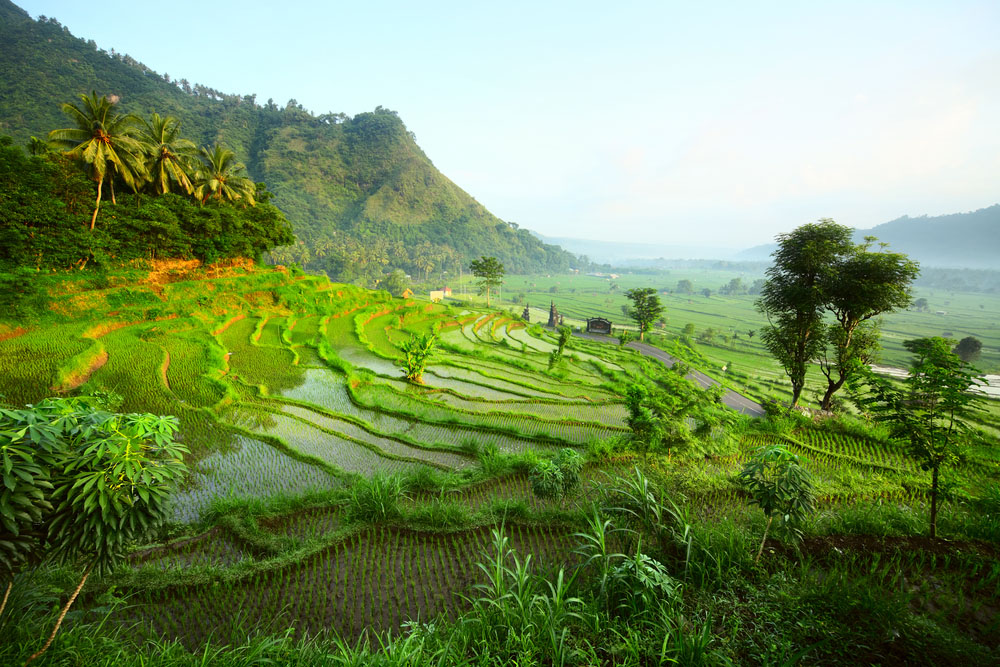
- Natural Beauty: Stunning beaches, jungles, rice terraces, and volcanoes
- Tropical Climate: Warm year-round with distinct dry and rainy seasons
- Workspace Variety: Abundant coworking spaces, cafes, and villas
- Spiritual Culture: Unique Balinese Hindu practices and wellness opportunities
- International Community: Global network of like-minded professionals
- Culinary Scene: Diverse local and international dining options
- Activities: Surfing, yoga, hiking, diving, and cultural experiences
- Infrastructure: Improving digital connectivity and nomad-focused services
- Wellness Focus: Abundant yoga studios, retreats, and holistic health centers
- Location: Strategic position for exploring Southeast Asia
- Creative Energy: Inspirational environment for creative professionals
- Business Networking: Frequent events, meetups, and entrepreneurial community
Top Areas for Digital Nomads in Bali
Canggu: The Digital Nomad Capital
This beachside area has transformed from rice fields to Bali’s primary digital hub:
- Nomad Density: Bali’s highest concentration of remote workers
- Coworking Spaces: Numerous options including Dojo Bali, Tropical Nomad, Outpost
- Surf Culture: Popular breaks for all skill levels
- International Dining: Extensive cafe and restaurant scene
- Nightlife: Active social scene with beach clubs and bars
- Living Costs: Moderate to high by Bali standards (~$1,200-2,500/month)
- Digital Infrastructure: Best overall connectivity in Bali
- Transportation: Scooter-friendly with taxi services available
- Community: Abundant networking opportunities and events
- Drawbacks: Growing traffic, ongoing development, touristy atmosphere
Popular sub-areas include Berawa (trendy, central), Batu Bolong (surf scene, busy), Pererenan (quieter, developing), and Echo Beach (beachfront, established).

Ubud: The Cultural Heart
This inland destination offers a more spiritual and artistic environment:
- Cultural Immersion: Traditional Balinese arts and practices
- Natural Setting: Jungle, rice terraces, and river valleys
- Wellness Focus: Yoga centers, meditation retreats, holistic healing
- Creative Community: Artists, writers, and spiritual seekers
- Coworking Options: Spaces like Hubud, Outpost, and Tropical Nomad
- Affordability: Moderate costs (~$1,000-2,000/month)
- Dining Scene: Health-focused cafes and traditional warungs
- Monkey Forest: Unique natural attraction within town
- Cooler Climate: Slightly lower temperatures than coastal areas
- Drawbacks: Distance from beaches, tourist crowds in center, macaque monkeys
Key areas include Central Ubud (convenient, busy), Penestanan (artistic, quieter), Lodtunduh (rural, peaceful), and Tegallalang (scenic rice terraces, remote).
Uluwatu: The Upscale Peninsula
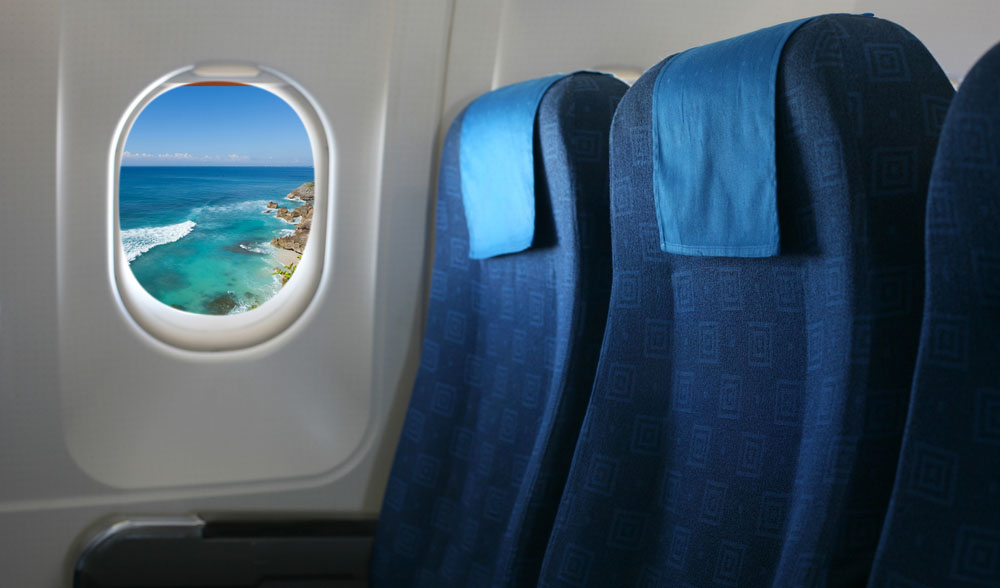
The southern peninsula offers dramatic cliffs and a more exclusive atmosphere:
- Scenic Beauty: Stunning cliff views and pristine beaches
- Luxury Living: High-end villas and accommodations
- World-Class Surfing: Renowned breaks for experienced surfers
- Quieter Lifestyle: Less dense development than Canggu or Ubud
- Beach Clubs: Sophisticated social venues with ocean views
- Higher Costs: Premium pricing (~$1,500-3,000+/month)
- Seclusion: More private atmosphere and space
- Drawbacks: Limited shopping options, requires vehicle, fewer dedicated coworking spaces
Notable areas include Padang Padang, Bingin, Balangan, and Uluwatu proper, each offering different beach access and atmosphere.
Seminyak: The Sophisticated Urban Center
This established area offers a more cosmopolitan experience:
- Urban Amenities: Shopping, dining, and services
- Beach Access: Well-maintained stretch of coast
- Dining Excellence: Bali’s highest concentration of restaurants
- Nightlife: Popular beach clubs and bars
- Established Infrastructure: Reliable services and amenities
- International Community: Long-standing expat presence
- Higher Costs: Premium pricing (~$1,500-3,000+/month)
- Drawbacks: Heavy traffic, tourist density, less focused digital nomad scene
Key areas include Petitenget (upscale, northern), Double Six (central, beachfront), and Dhyana Pura (quieter, southern edge).
Sanur: The Family-Friendly Coast
This east coast destination offers a more relaxed seaside environment:
- Calm Beaches: Protected reef creates gentle swimming conditions
- Beachfront Boardwalk: 5km paved path along the coast
- Local Character: More traditional atmosphere than western Bali
- Family-Friendly: Quieter environment suitable for children
- Moderate Costs: Better value than Seminyak/Canggu (~$1,000-2,000/month)
- Older Demographic: Less party-focused than other areas
- Sunrise Views: East-facing coast for morning ocean vistas
- Drawbacks: Quieter nightlife, fewer dedicated nomad spaces, slower pace
The areas near the beach road offer the most convenient access to amenities.
Amed: The Remote Seaside
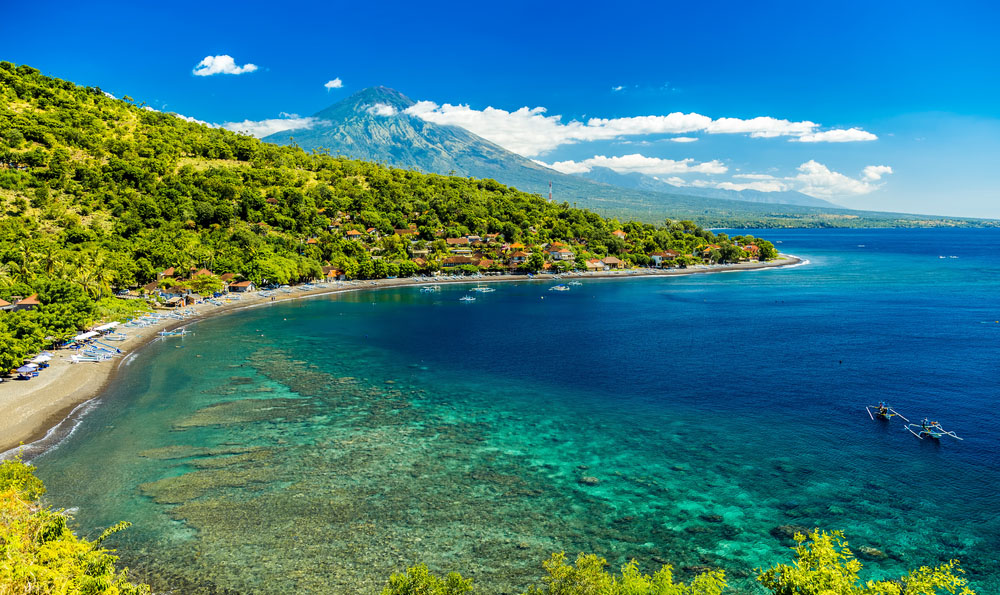
This far eastern coastal area offers a complete change of pace:
- Diving Paradise: World-class underwater environment
- Black Sand Beaches: Distinctive volcanic coastline
- Authentic Experience: Traditional Balinese fishing villages
- Affordability: Lower costs (~$800-1,500/month)
- Mount Agung Views: Dramatic volcano backdrop
- Tranquility: Quiet atmosphere away from tourist centers
- Drawbacks: Limited infrastructure, fewer amenities, distance from main hubs
The coastal strip contains several connected villages, each with slightly different character.
Practical Considerations
Internet and Connectivity
Bali’s digital infrastructure has improved significantly but varies by location:
- Popular areas typically offer fiber connections of 30-100+ Mbps
- Major providers include Biznet, Indihome, and XL Home
- Mobile data widely available through Telkomsel, XL Axiata, and others
- 4G coverage extensive in developed areas
- Reliability can be affected by weather during rainy season
- Power outages occur occasionally; backup power recommended
- Coworking spaces offer the most reliable connections
- Portable WiFi devices and SIM cards readily available
Accommodation Options
- Short-term: Airbnb, Booking.com, and local accommodations
- Medium to long-term: Facebook groups (Bali Housing), property agents
- Coliving: Numerous options in Canggu, Ubud, and emerging in other areas
- Budget range: From $400/month for basic rooms to $2,000+ for luxury villas
- Rental tips: Negotiate for monthly rates, check AC and WiFi quality, consider water source
- Popular arrangements: Private villas, villa sharing, apartment complexes, homestays
- Seasonal pricing: Higher during peak dry season (May-September)
Climate Considerations
Bali has a tropical climate with two distinct seasons:
- Dry Season (April-September): Sunny, less humid, higher tourist numbers
- Rainy Season (October-March): Brief heavy showers, more humidity, fewer tourists
- Year-round temperatures: Consistently warm (75-85°F/24-30°C)
- Microclimates: Cooler in mountain areas (Ubud, Bedugul)
- Monsoon patterns: Heaviest rains typically December-February
- Air conditioning: Essential for most digital nomads year-round
Transportation
- Limited public transportation system; self-transportation typically necessary
- Scooter rental most popular option ($50-80/month)
- Car rental available but more expensive ($300-500/month)
- Ride-hailing services (Gojek, Grab) widely available in developed areas
- Local taxi services in tourist zones
- Tourist shuttles between major destinations
- International airport in Denpasar with connections throughout Asia
- Walking practical only within specific neighborhoods
Banking and Finance
- Indonesian Rupiah (IDR) is the currency
- ATMs widely available in developed areas (daily withdrawal limits apply)
- Foreign transaction fees can be significant; check with your bank
- Wise and similar services popular among nomads
- Credit cards accepted in tourism businesses but cash economy in local settings
- Money exchange services abundant (check rates carefully)
- Opening local bank accounts challenging but possible with appropriate visas
- Cryptocurrency usage growing among nomad community
Safety Considerations
- Generally safe environment with low violent crime
- Petty theft occurs in tourist areas; secure valuables
- Traffic safety significant concern, particularly for inexperienced scooter riders
- Natural disasters possible (volcanic activity, earthquakes)
- Medical emergencies best handled at international hospitals
- Water safety (non-potable tap water throughout island)
- Alcohol safety concerns (methanol poisoning from improperly produced spirits)
- Travel insurance strongly recommended
Healthcare
- BIMC and Siloam Hospitals offer international-standard care
- Smaller clinics available for minor issues
- Medical evacuation insurance recommended for serious conditions
- Wellness services abundant (massage, traditional healing)
- Dental tourism popular due to quality and affordability
- Pharmacies widely available with many medications accessible without prescription
- Air quality concerns during dry season (agricultural burning)
- Water-borne illness prevention important
Visa Runs and Extensions
- Current visas require periodic extensions or exits and re-entries
- Visa agents can handle extensions for approximately $50-100 USD per extension
- Popular visa run destinations include Singapore, Kuala Lumpur, and Australia
- With the upcoming 5-year Digital Nomad Visa, visa runs will become unnecessary
- Immigration policies can change; staying informed is essential
- Overstay penalties approximately $70 USD per day
Cultural Adaptation and Integration
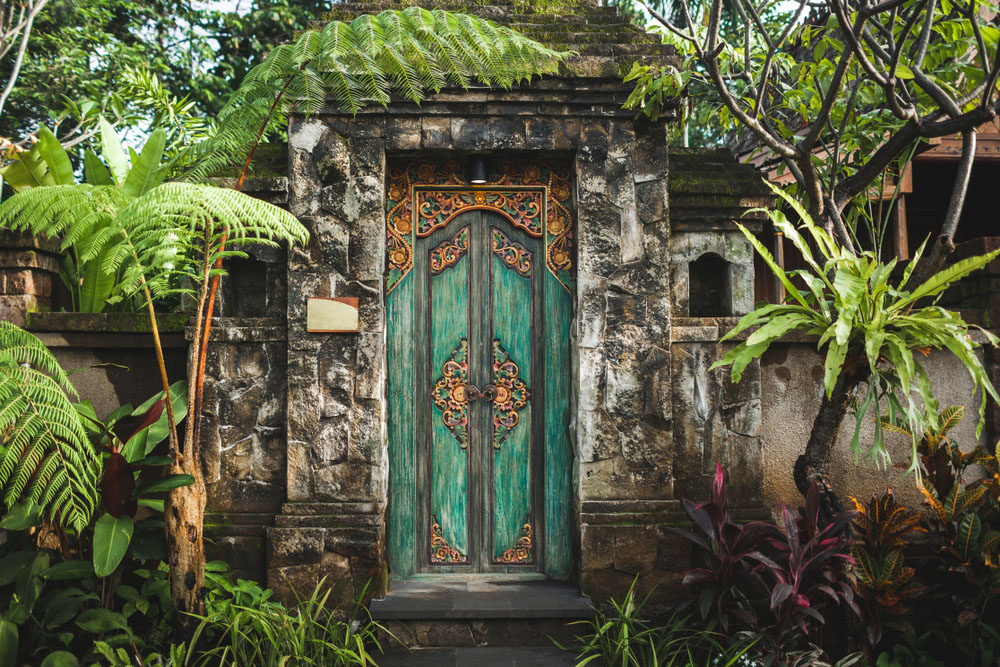
Balinese Cultural Essentials
- Unique Hindu-based spiritual practices
- Daily offerings (canang sari) placed throughout the island
- Regular ceremonies and temple festivals
- Strong community-based social structure
- Traditional arts including dance, music, and crafts
- Respect for spiritual practices and temples essential
- Conservative dress when visiting religious sites
Etiquette and Local Customs
- Right hand used for giving and receiving
- Remove shoes when entering homes and temples
- Appropriate temple attire includes sarong and sash
- Head considered sacred; avoid touching
- Haggling expected at markets but respectful approach appreciated
- Calm demeanor valued in all interactions
- “Rubber time” concept (jam karet) – flexible approach to punctuality
Expat Integration
- Balance between expat community and local culture recommended
- Learning basic Bahasa Indonesia highly appreciated
- Community events and regular meetups in main nomad areas
- Cultural classes and workshops widely available
- Volunteer opportunities for deeper community connection
- Respect for local traditions enhances experience
Working Environment
Coworking Spaces
Bali offers some of Asia’s most developed coworking infrastructure:
- Canggu: Dojo Bali, Tropical Nomad, Outpost Canggu
- Ubud: Hubud, Outpost Ubud, Tropical Nomad Ubud
- Seminyak/Kerobokan: Biliq, Livit
- Pricing: Day passes ($10-20), monthly memberships ($100-250)
- Facilities: High-speed internet, meeting rooms, community events
- Community: Active networking and social opportunities
- Cafe Working: Abundant throughout tourist areas
Business and Entrepreneurship
- Growing startup ecosystem
- Networking events and masterminds
- Skill-sharing and collaborative opportunities
- Regulatory challenges for formal business establishment
- Cryptocurrency and location-independent business popularity
- Co-living spaces often combine accommodation and workspace
Seasonal Strategies and Considerations
High Season (May-September)
- Perfect weather with minimal rain
- Higher accommodation costs
- Advance bookings recommended
- Busier beaches and tourist sites
- More events and community activities
- Better road conditions
Low Season (October-April)
- Brief daily rain showers (typically late afternoon)
- Lower accommodation costs
- More negotiating power for long-term stays
- Greener landscapes
- Fewer tourists at popular sites
- Some businesses reduce hours or close temporarily
Annual Events and Considerations
- Nyepi (Day of Silence) – entire island shuts down for 24 hours
- Galungan and Kuningan celebrations
- Ramadan affects neighboring islands but less impact in Bali
- Indonesian Independence Day (August 17)
- Western holiday periods bring tourist influxes
Regional Comparisons
South Bali (Canggu, Seminyak, Kuta)
- Pros: Highest concentration of amenities, strong digital infrastructure, vibrant social scene
- Cons: Traffic congestion, higher prices, more tourist-oriented
- Best For: First-time visitors, those prioritizing networking, surf enthusiasts
Central Bali (Ubud and surroundings)
- Pros: Cultural immersion, natural beauty, wellness focus, cooler climate
- Cons: No beach access, tourist crowds in center, longer travel times
- Best For: Wellness-focused nomads, creative professionals, nature lovers
East Bali (Sanur, Amed, Candidasa)
- Pros: More authentic experience, lower costs, quieter atmosphere
- Cons: Fewer dedicated nomad facilities, limited nightlife, longer travel to main hubs
- Best For: Experienced Bali visitors, diving enthusiasts, those seeking tranquility
North and West Bali (Lovina, Medewi)
- Pros: Undeveloped, authentic, lowest costs
- Cons: Limited infrastructure, fewer amenities, longest travel times
- Best For: Long-term residents, true off-the-beaten-path experiences
FAQs About Being a Digital Nomad in Bali
Is Bali a good place for digital nomads?
Yes. Bali offers strong coworking options, a large international community, diverse neighborhoods, good internet in major hubs, and an upcoming digital nomad visa that will make long-term stays easier.
What is the new 5-year digital nomad visa in Indonesia?
Indonesia plans to introduce a 5-year digital nomad visa with zero local income tax on foreign earnings, an expected income requirement of about 2,000 USD per month, multiple entry privileges, and a fully online application. It is expected to launch in 2025.
Can I work remotely in Bali on a tourist visa?
Technically no. The tourist visa is for leisure travel, not work. Many remote workers visit on a tourist visa for short stays, but long-term digital nomads should use the correct visa options once the new visa becomes available.
What are the current visa options before the 5-year one launches?
Remote workers typically use the B211A visa, the Second Home Visa, or a Visa on Arrival extension. Each option has different costs, stay lengths, and requirements. The B211A is the most common for medium-term stays.
How much does it cost to live in Bali as a digital nomad?
Most nomads spend between 1,000 and 2,500 USD per month depending on lifestyle, location, and housing preferences. Canggu and Uluwatu are on the higher end. Ubud and Sanur offer more value.
How reliable is the internet in Bali?
Internet quality is strong in popular nomad hubs like Canggu, Ubud, and Seminyak. Coworking spaces offer the most stable connections, and many homes now use fiber. Outages can occur during storms, so a backup SIM card is recommended.
Which areas of Bali are best for digital nomads?
Canggu is the main hub for coworking and community. Ubud offers a cultural and wellness-focused environment. Uluwatu is popular for surf and coastal living. Seminyak and Sanur appeal to nomads who prefer more urban convenience or a quieter pace.
Can I rent long-term housing in Bali?
Yes. Most nomads find monthly rentals through Facebook groups, local agents, or direct villa listings. Options range from private rooms to full villas. Prices vary widely based on the area and amenities.
Do I need international health insurance for Bali?
Yes. International health insurance is expected to be required for the new digital nomad visa. It is also recommended for anyone living in Bali, since private hospitals and clinics may require upfront payment.
Is Bali safe for solo travelers and digital nomads?
Yes. Bali is considered safe, with low violent crime. Petty theft can happen in busy areas, and scooter accidents are a common risk. Basic precautions and travel insurance are recommended.
What should I know about transportation?
Most nomads rent scooters for convenience. Ride-hailing services like Gojek and Grab are widely available in developed areas. Public transport is limited, so expect to rely on scooters, rideshares, or rental cars.
What is the best time of year to work remotely from Bali?
The dry season from April to September offers the best weather and more reliable conditions for outdoor life and travel. The rainy season from October to March brings humidity and daily showers but fewer tourists.
Challenges to Consider
While Bali offers many advantages, potential challenges include:
- Visa Uncertainty: Current options require extensions or exits until the new 5-year visa launches
- Environmental Concerns: Plastic pollution, water shortages, over-development
- Infrastructure Limitations: Traffic congestion, sidewalk shortages, waste management
- Internet Reliability: Inconsistent in less developed areas or during storms
- Health Considerations: Dengue risk, food safety, water quality
- Cultural Impact: Balancing tourism development with traditional culture
- Distance: Long flights from Europe/Americas, time zone differences
- Natural Disasters: Volcanic activity, earthquakes, tsunami risk in coastal areas
- Overtourism: Crowding at popular sites during peak seasons
- Noise Pollution: Religious ceremonies, construction, roosters (part of authentic experience)
Conclusion
Bali represents an exceptional option for digital nomads seeking a blend of inspiring natural beauty, established nomad infrastructure, rich culture, and increasingly favorable visa conditions. With the anticipated launch of a 5-year Digital Nomad Visa with zero local income tax in 2025, Bali’s position as a global remote work destination is set to strengthen even further.
Whether you’re drawn to the digital hub of Canggu, the cultural richness of Ubud, the luxury cliffside lifestyle of Uluwatu, or the traditional coastal villages of east Bali, the island offers diverse environments to suit different digital nomad preferences, budgets, and work styles.
The island’s unique combination of spiritual tradition and modern amenities creates a setting where productivity can blend seamlessly with personal growth and lifestyle quality. For those willing to navigate occasional infrastructure challenges and cultural differences, the rewards are substantial: an inspiring environment with abundant natural beauty, rich cultural experiences, and one of the world’s most developed digital nomad communities.
As Indonesia continues to improve its visa options and digital infrastructure, Bali’s appeal is likely to grow even further, cementing its position as one of the world’s premier destinations for location-independent professionals seeking the ideal integration of work opportunity and lifestyle quality in a setting of extraordinary natural and cultural richness.
Ready to make your digital nomad dreams a reality? Download our comprehensive Digital Nomad Visa Guide for detailed requirements and official resources for each destination.
Connect with fellow location-independent professionals by joining our exclusive Sojrn Digital Nomad Community for ongoing support, insider tips, and updates to enhance your borderless lifestyle.