
What Do Digital Nomads Need to Know About Guatemala?
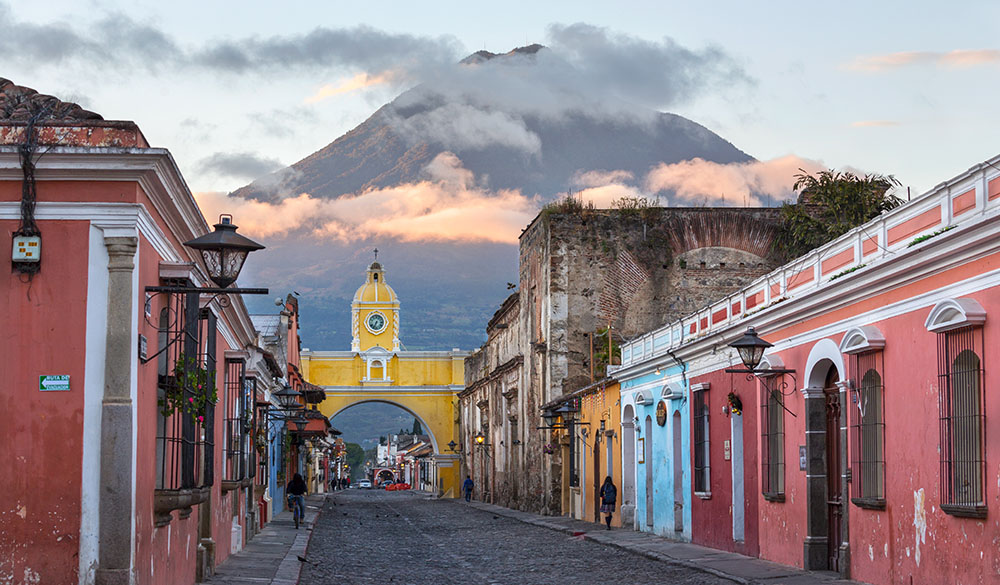
Guatemala has emerged as one of Central America’s most appealing destinations for digital nomads, offering an unbeatable combination of ancient Mayan culture, volcanic landscapes, colonial architecture, and extremely affordable living costs. From the cobblestone streets of Antigua to the lakeside tranquility of Atitlán and the urban energy of Guatemala City, this colorful country provides diverse environments for location-independent professionals seeking authentic experiences at budget-friendly prices.
Quick Answer: Guatemala offers digital nomads visa-free entry for 90 days (extendable), monthly living costs starting around $600-800, improving internet infrastructure in major tourist areas, and access to some of the world’s most spectacular natural and cultural attractions. The country combines exceptional affordability with rich indigenous culture and stunning volcanic landscapes.
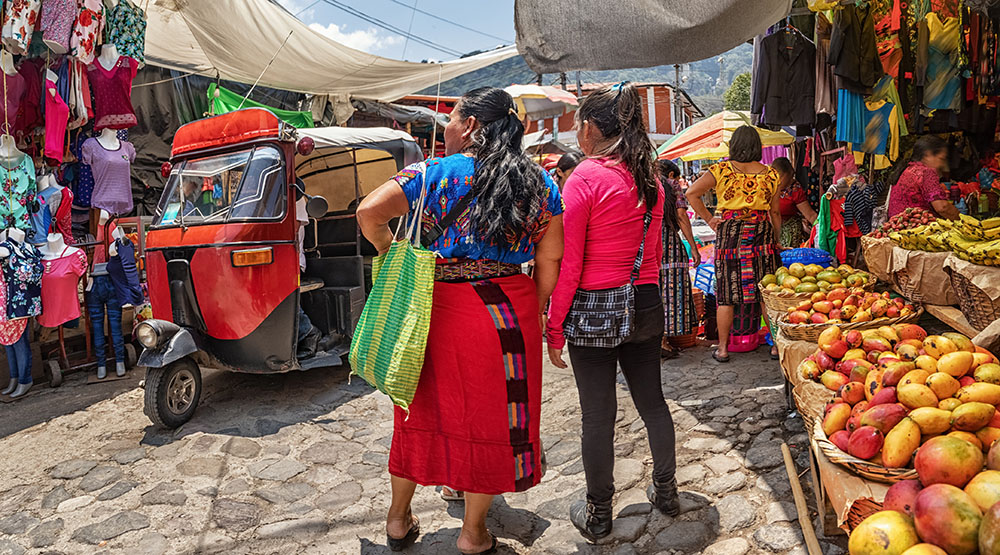
Table of Contents
Guatemala’s Visa Options for Digital Nomads
Tourist Visa: Guatemala’s Simple Entry Process
Visa-Free Entry for Most Nationalities
Guatemala offers straightforward visa policies that make it highly accessible for digital nomads.
Key Details of Guatemala’s Tourist Entry:
- Duration: 90 days visa-free for most nationalities
- Eligible Countries: US, Canada, EU, Australia, Japan, and many others
- Requirements: Valid passport with 6+ months remaining
- Processing: Automatic stamp upon arrival
- Cost: Free entry
- Work Authorization: Remote work for foreign companies generally tolerated
- Extensions: Possible through border runs or formal extensions
CA-4 Border Agreement
Understanding Central America’s Free Movement Zone
Guatemala participates in the CA-4 agreement with Honduras, El Salvador, and Nicaragua.
CA-4 Agreement Details:
- Combined 90-day limit: Applies to all four countries together
- Single entry stamp: Moving between CA-4 countries doesn’t reset the clock
- Exit requirement: Must leave CA-4 zone to reset 90-day period
- Popular exits: Mexico, Belize, Costa Rica, Panama for visa resets
Extending Your Stay Beyond 90 Days
Options for Longer-Term Digital Nomads
Border Runs (Visa Runs)
- Popular destinations: Belize, Mexico (Chiapas), Costa Rica
- Frequency: Every 90 days to reset tourist visa
- Documentation: Keep proof of exits/entries
- Cost: Transportation plus any visa fees for destination country
Formal Extension
- Duration: Up to 90 additional days
- Application: Immigration office (Dirección General de Migración)
- Requirements: Passport, proof of funds, application form
- Cost: Approximately $20 plus fees
- Process: Can be bureaucratic and time-consuming
Temporary Residence
- Duration: 1 year, renewable
- Requirements: Proof of income, criminal background check, medical exam
- Investment: Financial solvency proof
- Target: Those planning extended stays or establishing business
How Does Guatemala Compare to Other Central American Options?
|
Country |
Visa-Free Duration |
Monthly Costs |
Internet Quality |
Key Advantage |
|
Guatemala |
90 days |
$600-1,200 |
Good in tourist areas |
Lowest costs, rich culture |
|
Costa Rica |
90 days |
$1,500-2,500 |
Excellent |
Best infrastructure |
|
Mexico |
180 days |
$1,000-2,000 |
Excellent |
Longest stay, proximity to US |
|
Panama |
180 days |
$1,200-2,200 |
Excellent |
Business hub, dollarized |
|
Belize |
30 days |
$1,500-2,500 |
Good |
English-speaking, Caribbean |
Guatemala offers the lowest costs with rich cultural experiences, though infrastructure is less developed than Costa Rica or Panama.
The doors are open on Nomados Pro!
Plan journeys. Save itineraries. Use Miles, your AI travel assistant, to think through options and decisions. Add services on demand like airport lounges, data plans, and visas when you need them.

Why Choose Guatemala for Remote Work
What Makes Guatemala Special for Remote Workers?
Guatemala offers unique advantages that have made it increasingly popular among budget-conscious digital nomads seeking authentic cultural experiences.
Cultural and Natural Advantages
- Rich Mayan heritage with living indigenous cultures
- Over 30 volcanoes including three active peaks
- UNESCO World Heritage colonial cities
- Lake Atitlán, considered one of the world’s most beautiful lakes
- Ancient Mayan ruins including Tikal
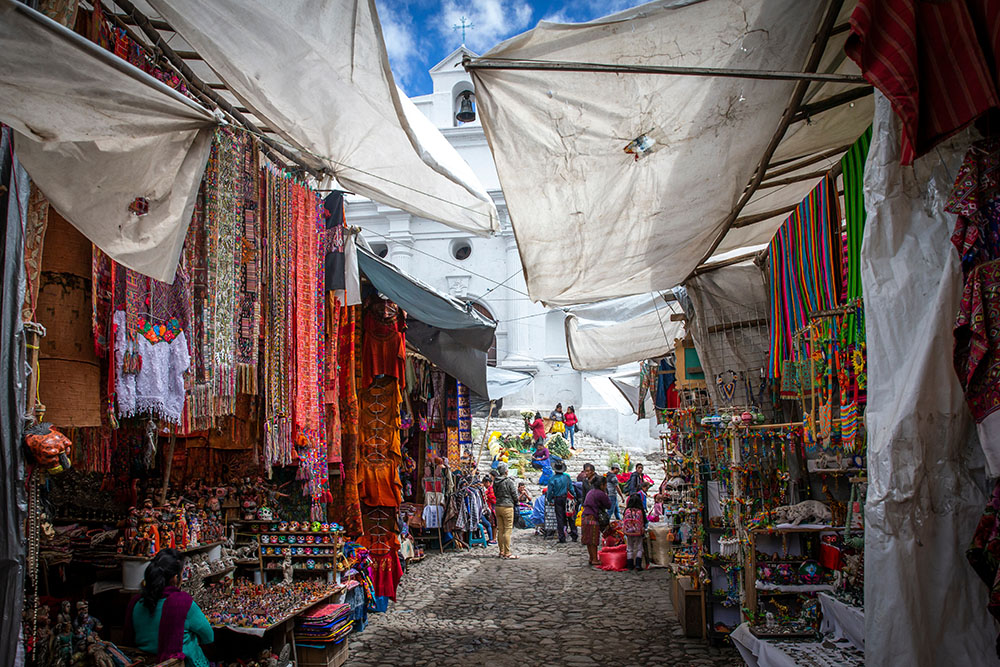
- Colorful traditional markets and textiles
- Spanish language immersion opportunities
Economic Benefits
- Among the lowest living costs in Latin America
- Strong US dollar provides excellent value
- Affordable domestic travel and activities
- Budget-friendly Spanish language schools
- Low-cost fresh produce and local cuisine
Geographic and Strategic Advantages
- Central location for exploring Central America
- Pacific Ocean and Caribbean Sea access
- Diverse climates from tropical lowlands to cool highlands
- Short distances between major attractions
- Proximity to Mexico and other regional destinations
Lifestyle and Community
- Growing digital nomad presence in key locations
- Established expat communities, especially around Lake Atitlán and Antigua
- Vibrant cultural calendar with festivals and celebrations
- Outdoor adventure opportunities (hiking, volcano climbing)
- Strong coffee culture with world-class beans
Top Cities and Destinations for Digital Nomads
Antigua Guatemala: The Colonial Gem
Why Choose Antigua for Remote Work?
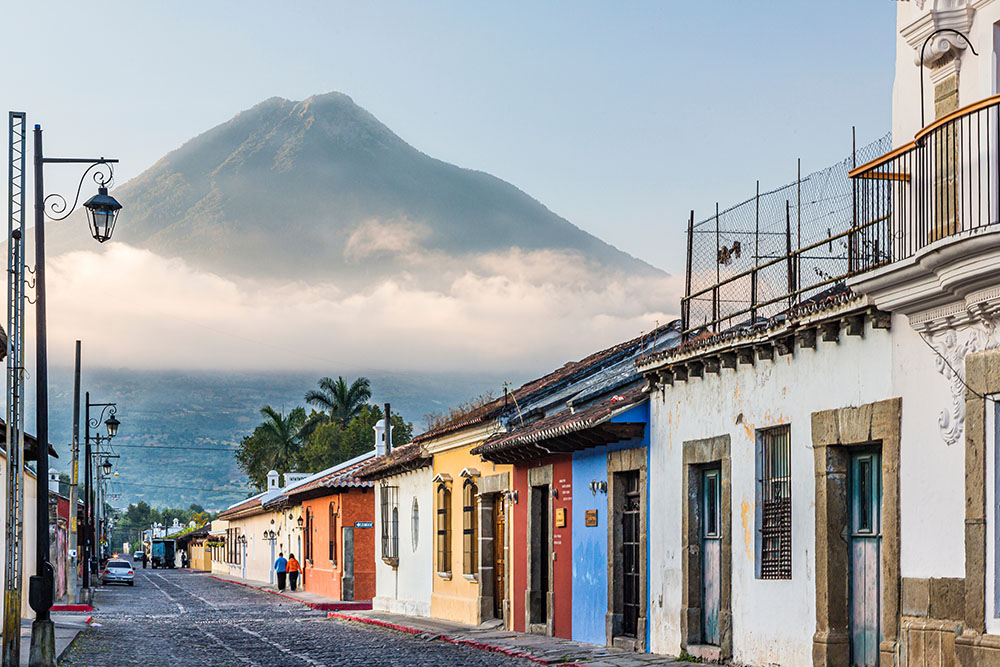
This UNESCO World Heritage colonial city has become Guatemala’s primary digital nomad hub, offering the perfect blend of history, culture, and modern amenities.
Digital Infrastructure in Antigua
- Reliable internet in most accommodations and cafes (20-100 Mbps)
- Growing coworking scene including Selina and local cafes
- Day passes: $5-12
- Monthly memberships: $80-150
- Numerous coffee shops with strong WiFi and excellent coffee
Living Costs in Antigua
- Budget lifestyle: $600-900/month
- Comfortable lifestyle: $1,000-1,500/month
- Luxury lifestyle: $2,000+/month
Best Areas for Digital Nomads
- Central Area: Walking distance to everything, can be touristy
- North of Centro: Quieter residential areas, still central
- San Pedro El Panorama: Views of volcanoes, slightly outside center
- Jocotenango: Just north of Antigua, more local atmosphere
Pros and Cons of Antigua
✅ Pros:
- Stunning colonial architecture and cobblestone streets
- Surrounded by three volcanoes with incredible views
- Excellent Spanish language schools (immersion programs)
- Safe compared to other Guatemalan cities
- Strong expat and nomad community
- Pleasant spring-like climate year-round
❌ Cons:
- Touristy atmosphere in central areas
- Higher costs than other Guatemalan destinations
- Occasional volcanic activity and earthquakes
- Limited nightlife compared to capital
- Can feel small for long-term stays
Lake Atitlán (Panajachel, San Marcos, San Pedro): The Lakeside Paradise
What Makes Lake Atitlán Special for Digital Nomads?
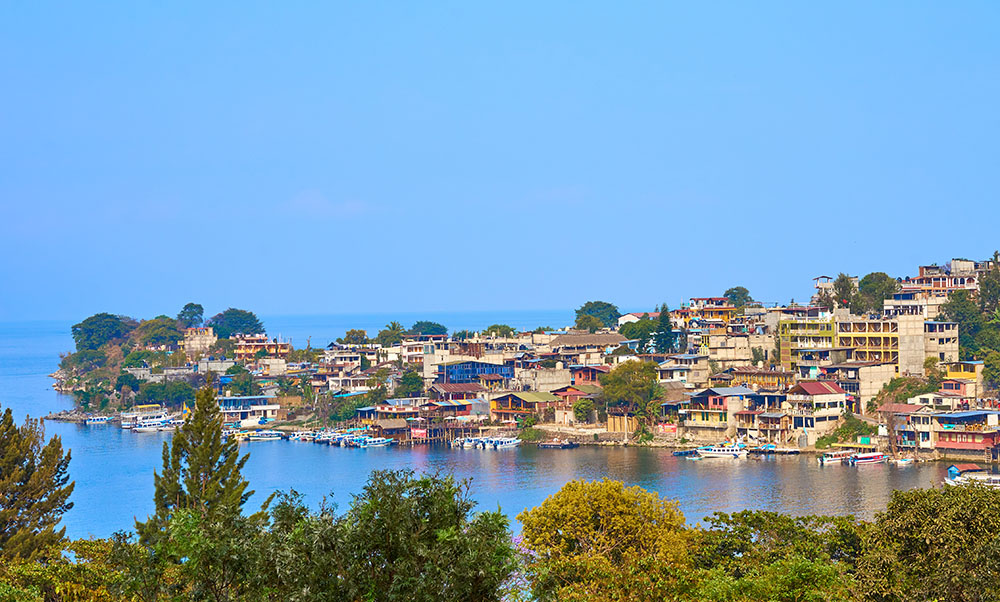
This spectacular volcanic lake surrounded by traditional Mayan villages offers a unique blend of natural beauty and growing digital infrastructure.
Lake Atitlán Towns for Nomads
Panajachel – The Gateway Town
- Most developed infrastructure on the lake
- Best internet connectivity
- Widest variety of services and restaurants
- More local Guatemalan atmosphere
- Main transport hub for lake ferries
San Marcos La Laguna – The Wellness Village
- Yoga retreats and meditation centers
- Vegetarian and health-focused dining
- Tranquil atmosphere perfect for focused work
- Growing nomad community
- Limited nightlife and amenities
San Pedro La Laguna – The Backpacker Hub
- Youngest demographic and party scene
- Language schools and budget accommodations
- Good internet in many locations
- Vibrant international community
- Balance of budget and comfort options
Lake Atitlán Living Costs
- Budget lifestyle: $500-800/month
- Comfortable lifestyle: $800-1,300/month
- Luxury lifestyle: $1,600+/month
Benefits of Lake Atitlán
- Breathtaking natural beauty with volcano views
- Extremely affordable living costs
- Strong wellness and spiritual community
- Authentic Mayan culture in surrounding villages
- Outdoor activities: hiking, kayaking, swimming
- Multiple village options with different vibes
Challenges of Lake Living
- Internet can be unreliable, especially during storms
- Limited services compared to cities
- Boat-dependent transportation between villages
- Occasional power outages
- Cooler temperatures at high altitude (5,000+ feet)
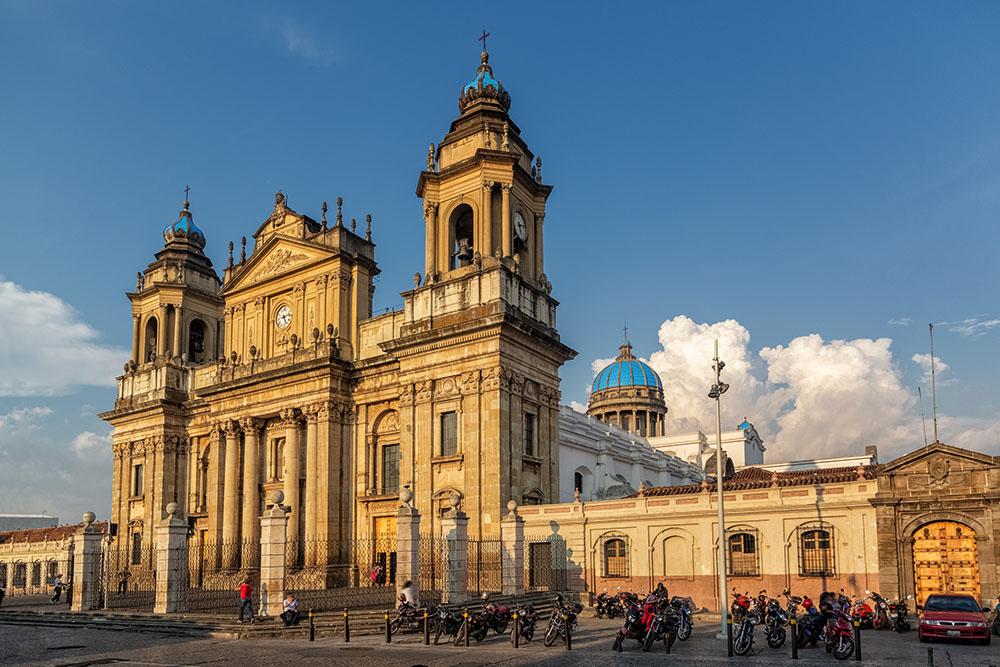
Guatemala City: The Urban Hub
Is Guatemala City Good for Digital Nomads?
The capital offers the country’s best infrastructure but requires careful neighborhood selection.
Digital Infrastructure in Guatemala City
- Excellent internet throughout modern zones (100-500 Mbps)
- Professional coworking spaces in Zona 10 and Zona 4
- International business environment
- Modern shopping malls and amenities
Guatemala City Living Costs
- Budget lifestyle: $800-1,200/month
- Comfortable lifestyle: $1,400-2,000/month
- Luxury lifestyle: $2,500+/month
Safe Zones for Digital Nomads
- Zona 10 (Zona Viva): Upscale area with restaurants and hotels
- Zona 14: Modern developments and shopping
- Zona 15: Residential area with expat presence
- Zona 4: Emerging area with arts and culture
Guatemala City Advantages
- Best internet and infrastructure in country
- International airport hub
- Modern healthcare facilities
- Diverse dining and entertainment options
- Business networking opportunities
Challenges and Safety Concerns
- High crime rates in many areas
- Requires careful area selection
- Traffic congestion
- Urban sprawl and pollution
- Less appealing for tourist/cultural experiences
Quetzaltenango (Xela): The Highland City
Guatemala’s Second City Alternative
This highland city offers an authentic Guatemalan experience with lower costs than Antigua.
Xela Benefits
- Very affordable living costs ($400-900/month)
- Excellent Spanish language schools
- Cooler highland climate
- Less touristy, more authentic experience
- Base for hiking and hot springs
- University city with young energy
Digital Infrastructure
- Improving internet in central areas (20-80 Mbps)
- Several cafes suitable for working
- Growing awareness of remote workers
Flores: The Jungle Gateway
Petén Region’s Island Town
Flores serves as the gateway to Tikal ruins and offers a unique jungle lake setting.
Flores Characteristics
- Small island town connected by causeway
- Access to Tikal and other Mayan ruins
- Lower costs than Antigua ($500-1,000/month)
- Limited infrastructure but improving
- Tourist services with local authenticity
- Beautiful lake setting (Lake Petén Itzá)
Living Costs and Budgeting in Guatemala
How Much Does It Cost to Live in Guatemala as a Digital Nomad?
Monthly Budget Breakdown by Destination:
|
Expense Category |
Antigua |
Lake Atitlán |
Guatemala City |
Xela |
Flores |
|
Accommodation |
$300-800 |
$200-600 |
$400-1,000 |
$150-500 |
$200-500 |
|
Food & Dining |
$200-400 |
$150-300 |
$250-500 |
$120-250 |
$150-300 |
|
Transportation |
$20-50 |
$15-40 |
$40-80 |
$15-35 |
$20-45 |
|
Utilities |
$30-60 |
$25-50 |
$40-80 |
$20-40 |
$25-50 |
|
Internet/Mobile |
$25-50 |
$20-45 |
$30-60 |
$20-40 |
$20-40 |
|
Entertainment |
$80-200 |
$50-150 |
$100-250 |
$40-120 |
$60-150 |
|
Healthcare |
$30-80 |
$20-60 |
$40-100 |
$15-50 |
$20-60 |
|
TOTAL |
$685-1,640 |
$480-1,245 |
$900-2,070 |
$380-1,035 |
$495-1,145 |
All amounts in USD.
What Affects Living Costs in Guatemala?
Accommodation Variables
- Location: Tourist areas vs. local neighborhoods (40-60% difference)
- Type: Homestay vs. apartment vs. hotel
- Amenities: Hot water, kitchen, workspace significantly affect pricing
- Duration: Monthly rates 30-50% lower than weekly/daily
Food and Dining
- Comedores (local eateries): $2-4 per meal
- Mid-range restaurants: $6-12 per meal
- Upscale/International: $15-25 per meal
- Markets: Extremely affordable fresh produce
- Street food: $1-3 for typical items
Transportation
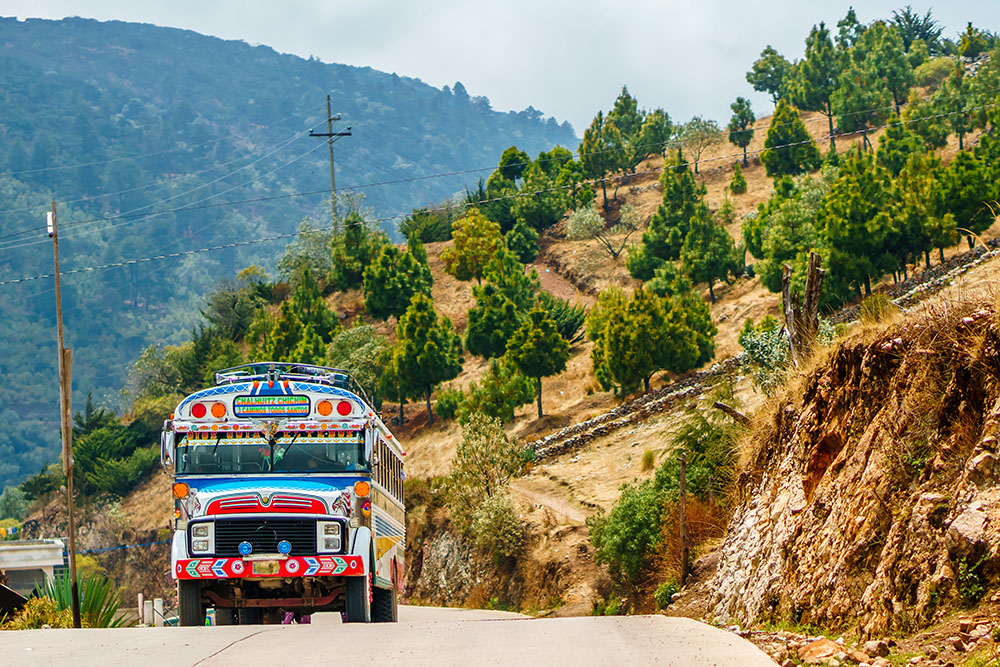
- Chicken buses: $0.25-2 for most routes
- Shuttle buses: $5-15 between tourist destinations
- Tuk-tuks: $1-3 for local trips
- Uber (Guatemala City only): $3-10 for most city trips
- Domestic flights: $100-200 between major cities
Practical Considerations for Digital Nomads
Banking and Finance in Guatemala
Opening a Guatemalan Bank Account
- Challenges: Difficult for tourists without residency
- Requirements: Valid visa, proof of address, references
- Major banks: Banco Industrial, Banrural, Banco G&T Continental
- Alternatives: Use international services like Wise
Currency and Payments
- Currency: Guatemalan Quetzal (GTQ), approximately 7.8 GTQ = 1 USD
- US dollars: Widely accepted in tourist areas
- Cards: Visa and Mastercard accepted in tourist zones
- Cash culture: Essential for local businesses and markets
- ATMs: Widespread in cities, fees typically $3-5 for foreign cards
Transportation in Guatemala
Intercity Transportation
- Chicken buses: Colorful repurposed school buses, very cheap but crowded
- Shuttle buses: Tourist shuttles connecting major destinations
- Private transfers: More expensive but comfortable and safe
- Domestic flights: Limited routes but time-saving for long distances
Local Transportation
- Tuk-tuks: Three-wheeled taxis for short distances
- Taxis: Available in cities, negotiate price beforehand
- Uber: Only operates in Guatemala City
- Walking: Best option in compact towns like Antigua
- Boats: Essential for Lake Atitlán village hopping
Language Considerations
Spanish Language
- Official language: Spanish (Guatemalan Spanish dialect)
- Indigenous languages: 21 Mayan languages still spoken
- English proficiency: Limited outside tourist businesses
- Learning opportunities: Excellent, affordable Spanish schools throughout Guatemala
Language Schools
- Antigua: Dozens of schools, one-on-one instruction $5-10/hour
- Lake Atitlán: Immersive programs with homestays
- Xela: Reputation for quality, affordable instruction
- Learning benefits: Guatemalan Spanish considered clear and easy to understand
Legal and Tax Information
Guatemala’s Tax System for Digital Nomads
Tax Residency Rules
- 183-day rule: Spending 183+ days may trigger tax residency
- Enforcement: Generally minimal for tourists and temporary visitors
- Income source: Foreign-earned income typically not taxed for non-residents
Tax Rates in Guatemala
- Income tax: Progressive rates from 5% to 7%
- VAT: 12% on goods and services
- Digital nomad reality: Most working on tourist visas have minimal tax exposure
Visa Compliance
Staying Legal
- Respect 90-day limit: Exit CA-4 zone to reset period
- Keep documentation: Maintain entry/exit stamps, travel records
- Overstay penalties: Fines and potential entry bans
- Work authorization: Remote work tolerated; local employment requires permits
Healthcare and Safety in Guatemala
Guatemalan Healthcare System
Healthcare Quality
- Private hospitals: Good quality in Guatemala City and Antigua
- Public hospitals: Limited resources, Spanish required
- Pharmacies: Well-stocked, many medications available without prescription
- Costs: Significantly lower than US/Europe
Healthcare Facilities
- Hospital Centro Médico (Guatemala City): International standard
- Hospital Privado Hermano Pedro (Antigua): Good for routine care
- Rural areas: Limited facilities, may require travel for serious issues
Health Insurance
- Travel insurance: Essential for all visitors
- International coverage: Recommended for comprehensive care
- Evacuation insurance: Important for serious medical emergencies
- Local insurance: Available for residents
Safety and Security
Crime and Safety Concerns
- Petty crime: Pickpocketing and bag snatching in tourist areas
- Violent crime: Higher in Guatemala City; tourist areas generally safer
- Safety tips: Avoid displaying wealth, use registered taxis, stay aware
- Areas to avoid: Certain zones of Guatemala City, travel after dark in rural areas
Natural Disasters
- Volcanic activity: Three active volcanoes, occasional eruptions
- Earthquakes: Seismically active region
- Hurricanes: Caribbean coast vulnerable during hurricane season
- Rainy season: June-October brings heavy rains and landslides
Recommended Precautions
- Register with your embassy
- Keep copies of important documents
- Use reputable transportation services
- Stay informed about current conditions
- Travel insurance with evacuation coverage
Internet and Infrastructure in Guatemala
How Good is Guatemala’s Internet for Remote Work?
Guatemala’s internet infrastructure varies significantly between tourist areas and rural locations.
Internet Speed by Region
- Guatemala City: Average 50-300 Mbps fiber available
- Antigua: Average 20-100 Mbps
- Lake Atitlán villages: 10-60 Mbps (highly variable)
- Xela: Average 20-80 Mbps
- Rural areas: 5-30 Mbps
Major Internet Providers
- Claro: Largest provider with extensive coverage
- Tigo: Good coverage in urban areas
- Movistar: Alternative provider in major cities
- Local providers: Various small companies in tourist areas
Mobile Internet Options
- Good 4G coverage in populated areas
- Three major networks: Claro, Tigo, Movistar
- Data plans affordable ($10-25/month)
- International roaming expensive; local SIM recommended
Infrastructure Challenges
- Power outages occur, especially during rainy season
- Internet reliability varies significantly
- Backup connectivity essential (multiple providers/mobile data)
- Quality can degrade during peak hours or bad weather
Cultural Integration in Guatemala
Understanding Guatemalan Culture
Indigenous Heritage
- Mayan majority: Over 40% of population identifies as indigenous
- Traditional dress: Colorful trajes worn daily, especially by women
- Spiritual practices: Blend of Catholic and Mayan traditions
- Languages: Spanish plus 21 Mayan languages
- Market culture: Weekly markets central to community life
Social Customs and Etiquette
- Greetings: Handshakes common, close friends may kiss on cheek
- Respect for elders: Important cultural value
- Politeness: Formal address initially, use “usted” not “tú”
- Photography: Always ask permission before photographing people
- Bargaining: Expected at markets but be respectful
Building Community
Expat and Nomad Networks
- Facebook groups: Active communities for Antigua, Lake Atitlán
- Language exchange: Informal gatherings in major towns
- Volunteer opportunities: Teaching, environmental projects, community development
- Cultural events: Festivals and celebrations welcome foreigners
Integration Tips
- Learn Spanish – even basics greatly appreciated
- Respect indigenous cultures and traditions
- Support local businesses and artisans
- Participate in community events
- Be mindful of economic disparities
Frequently Asked Questions
How long can I stay in Guatemala as a digital nomad? You can stay 90 days visa-free initially. This is part of the CA-4 agreement (Guatemala, Honduras, El Salvador, Nicaragua combined). You must exit the CA-4 zone to reset the 90-day period.
Is Guatemala safe for digital nomads? Tourist areas like Antigua and Lake Atitlán are generally safe with normal precautions. Guatemala City requires careful area selection. Avoid displaying wealth, use registered transportation, and stay informed about current conditions.
How much does it cost to live in Guatemala as a digital nomad? Budget $600-1,500/month depending on location and lifestyle. Antigua and Guatemala City are more expensive, while Lake Atitlán and Xela are very affordable. This is one of Latin America’s cheapest destinations.
Do I need to speak Spanish to live in Guatemala? While some English is spoken in tourist businesses, Spanish is essential for daily life, deeper cultural integration, and emergencies. Guatemala offers excellent, affordable Spanish schools.
Is the internet good enough for remote work in Guatemala? Internet quality varies significantly. Antigua and Guatemala City offer reliable connections (20-100+ Mbps). Lake Atitlán can be unreliable. Always have backup connectivity through mobile data.
Can I work remotely for foreign companies while in Guatemala? Remote work for foreign companies is generally tolerated on tourist visas, though technically work authorization is required. Most digital nomads work without issues as long as they’re not taking local employment.
Connect with fellow location-independent professionals by joining our exclusive Nomados Digital Nomad Community for ongoing support, insider tips, and updates to enhance your borderless lifestyle.
Guatemala represents an exceptional opportunity for digital nomads seeking authentic cultural experiences, stunning natural beauty, and some of Latin America’s lowest living costs. While the country presents more challenges than polished destinations like Costa Rica or Mexico, the rewards include deeper cultural immersion, spectacular landscapes, and the satisfaction of living in one of the world’s most colorful and culturally rich countries.
Whether you’re drawn to Antigua’s colonial charm and volcano views, the mystical beauty of Lake Atitlán, the urban infrastructure of Guatemala City, or the highland authenticity of Xela, Guatemala offers diverse environments to suit different digital nomad preferences and budgets. The country’s rich Mayan heritage, combined with Spanish colonial history, creates a unique cultural tapestry that provides endless opportunities for exploration and learning.
For digital nomads willing to embrace occasional infrastructure challenges and invest in language learning, Guatemala offers an unmatched combination of affordability, natural beauty, and cultural richness. The growing expat communities in key locations provide support networks while maintaining the authentic character that makes Guatemala special.
As more remote workers discover this Central American gem, Guatemala is developing better infrastructure and services while retaining its essential character. The key to success here is approaching the country with flexibility, cultural sensitivity, and appreciation for its complexity. Those who embrace Guatemala’s rhythms and respect its traditions will find it offers not just an affordable place to work remotely, but a transformative experience that enriches both professional and personal development.
Guatemala is for the adventurous digital nomad who values cultural authenticity, natural beauty, and meaningful connections over perfectly polished infrastructure. If that describes you, Guatemala’s volcanoes, markets, and warm-hearted people await.
Last updated: March 2026. Visa requirements and costs may change. Always consult official government sources for the most current information.
Disclosure: Portions of this article were created with the assistance of AI tools and reviewed by the Nomados editorial team for accuracy and clarity.