
Can You Live and Work Remotely in Japan in 2026?
Japan has always been on the list. The infrastructure, the food, the culture, the safety — it checks almost every box.
What was missing for years was a legal path for remote workers to stay longer than a tourist visit allowed. That changed in April 2024 when Japan launched its Digital Nomad Visa, officially called the Designated Activities Visa.
It’s not perfect, and the income requirement is high. But for the right nomad, six months in Japan is one of the most compelling options anywhere in the world right now.
Japan’s Digital Nomad Visa allows remote workers from 49 eligible countries to stay for up to six months. The main requirement is an annual income of at least ¥10 million (approximately $66,000 USD). No local income tax applies on foreign-earned income during your stay. Monthly costs range from $2,000 to $3,500 depending on city and lifestyle. Internet is fast, cities are safe, and the cultural experience is unlike anywhere else in Asia.
What Is Japan’s Digital Nomad Visa?
Japan’s Digital Nomad Visa — officially the Designated Activities Visa (Notification No. 53) — was launched in April 2024. It is the country’s first purpose-built pathway for remote workers and freelancers to live in Japan while earning income from overseas employers or clients.
Key facts:
- Duration: Up to 6 months from date of entry
- Renewable: No — cannot be renewed in-country. You must leave Japan for 6 months before reapplying
- Entry: Single entry. Must enter Japan within 3 months of visa issue date
- Dependents: Spouses and dependent children can accompany the main applicant
- Residence Card: Not issued — this limits access to local banking, long-term rentals, and some services
- Tax: Generally no Japanese income tax applies on foreign-sourced income during a 6-month stay
- Processing time: 5 business days with a Certificate of Eligibility; varies without one
Top Cities for Digital Nomads in Japan
Tokyo — The Global Hub
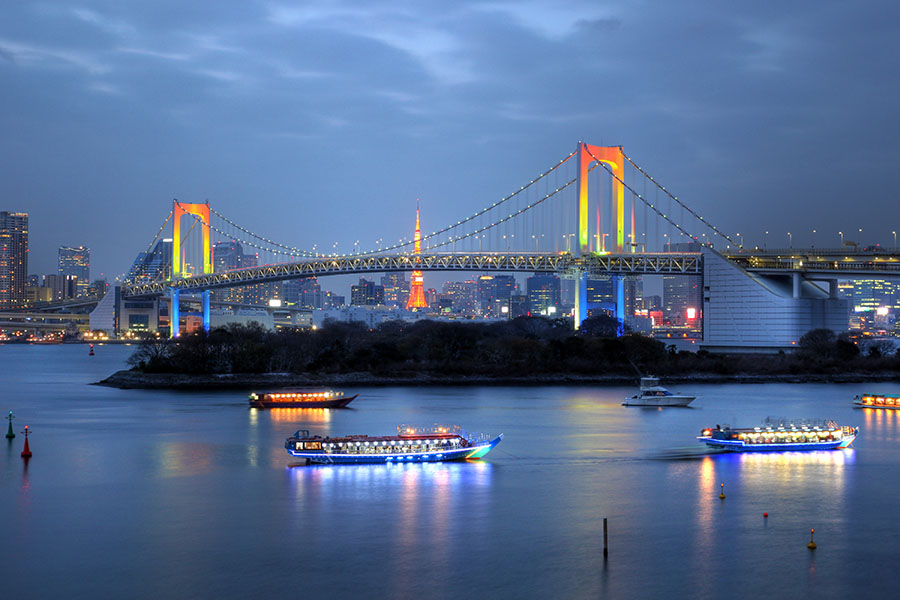
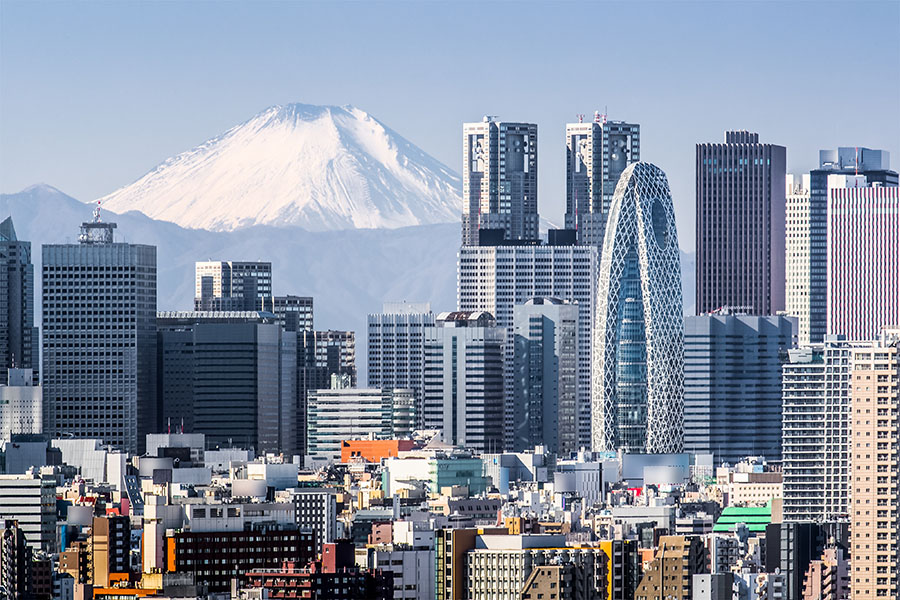
Japan’s capital is the obvious starting point and for good reason. Tokyo has some of the fastest and most reliable internet in the world, a massive coworking ecosystem across neighborhoods like Shinjuku, Shibuya, Nakameguro, and Shimokitazawa, and an unmatched concentration of tech, creative, and international professionals. The city is enormous — with 13 million people in the city proper — but individual neighborhoods operate like small towns, making it navigable and liveable.
Best neighborhoods for nomads: Shinjuku (central, buzzy, well-connected), Shimokitazawa (creative, indie, quieter), Nakameguro (design-forward, cafes, international crowd), Minato (business district, expat-friendly)
Estimated monthly cost: $2,500–$3,500 mid-range
The catch: Accommodation is the biggest expense. A furnished studio in central Tokyo runs $800–$1,500/month on a short-term basis. The city rewards those who learn to navigate it but can feel overwhelming early on.
Fukuoka — The Rising Nomad Hub
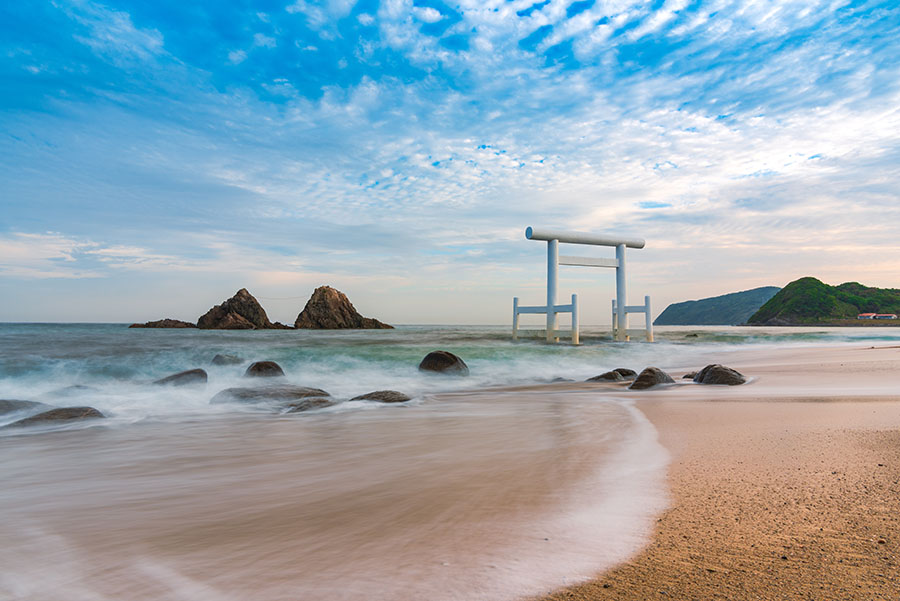
Fukuoka is Japan’s most compelling city for digital nomads who want a real base rather than a tourist experience. It’s significantly cheaper than Tokyo, has a coastal lifestyle, a fast-growing startup ecosystem, and has actively positioned itself as a destination for remote workers and entrepreneurs. The city’s Startup Visa program and the 2025 opening of CIC Fukuoka (Cambridge Innovation Center’s Asia campus) signal serious long-term investment in the international professional community.
Best neighborhoods for nomads: Tenjin (commercial center, coworking density), Hakata (transport hub, business-friendly), Ohori Park area (relaxed, green, residential feel)
Estimated monthly cost: $1,800–$2,600 mid-range
Why it stands out: Fukuoka is routinely cited as Japan’s most liveable city for quality of life. Lower costs, less congestion, a beach within easy reach, and one of the friendliest communities for newcomers in the country.
More Top Cities for Digital Nomads in Japan
Osaka — Culture, Food, and Accessibility
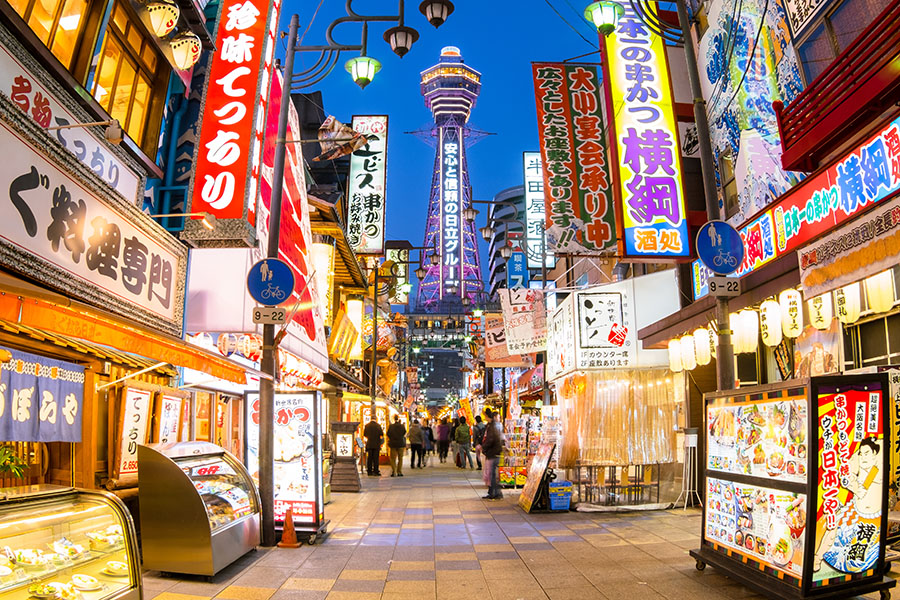
Osaka is Japan’s most social and food-forward city, and a strong base for nomads who want cultural immersion alongside solid infrastructure. The city is cheaper than Tokyo and has excellent transport connections throughout the Kansai region, putting Kyoto, Nara, and Kobe within easy day-trip range. The coworking scene is smaller than Tokyo but functional, and the international community is well-established.
Best neighborhoods for nomads: Namba (central, vibrant, touristy), Umeda/Kita (business district, well-connected), Nakatsu (local, residential, increasingly popular with expats)
Estimated monthly cost: $1,800–$2,800 mid-range
Why it stands out: The food-to-cost ratio in Osaka is arguably Japan’s best. Eating local — at konbini, ramen shops, izakayas — keeps food costs low while the quality stays high.
Kyoto — For Deep Work and Cultural Immersion
Kyoto is the right choice for nomads who want to go slow, work deeply, and absorb a version of Japan that Tokyo and Osaka don’t offer. It’s quieter, more traditional, and architecturally extraordinary. The coworking options are fewer, the international community is smaller, and the pace is deliberately unhurried. Monthly costs are lower than Tokyo or Osaka, and the city’s walkability and transit connections to the broader Kansai region are excellent.
Estimated monthly cost: $1,600–$2,400 mid-range
Best for: Writers, designers, and creatives who want fewer distractions and deeper cultural context.
Japan is more expensive than Southeast Asia but less expensive than Singapore, Hong Kong, or most major Western cities when total quality of life is factored in. The value comes from safety, infrastructure quality, public transit, and food — not low prices.
Nomados · 2026 Japan Guide
Monthly estimates in USD · mid-range · single person · short-term accommodation
| Expense |
🇯🇵
Tokyo Most expensive |
🇯🇵
Fukuoka Best value |
🇯🇵
Osaka Food & culture |
|---|---|---|---|
| Rent (short-term 1BR) | $900–$1,500 | $600–$1,000 | $700–$1,200 |
| Food & Dining | $400–$600 | $300–$500 | $350–$550 |
| Transport | $100–$150 | $80–$120 | $90–$130 |
| Utilities & Wi-Fi | $80–$150 | $70–$120 | $75–$130 |
| Coworking | $150–$300 | $100–$200 | $120–$250 |
| ✦ Total (mid-range) | $2,500–$3,500 | $1,800–$2,600 | $1,800–$2,800 |
Estimates based on short-term furnished accommodation, eating a mix of local and international food, and using public transport. Coworking is optional — many nomads work from cafes. Exchange rate approx. ¥145–150/USD as of early 2026.
nomados.ai · 2026
Money notes:
- Japan remains a heavily cash-based economy, especially outside major city centers. Always carry yen.
- ATMs at 7-Eleven and Lawson convenience stores accept international cards around the clock.
- Wise and Revolut are the practical solution for day-to-day spending without a local bank account.
- Exchange rate as of early 2026: approximately ¥145–150 per USD.
Internet and Work Infrastructure
Japan’s internet is among the fastest and most reliable in the world. Fiber connections in major cities regularly hit 300–1,000 Mbps. Even in smaller regional cities and rural areas, connectivity is strong by global standards.
- Major providers: NTT, SoftBank, KDDI
- Mobile data: Excellent 4G and 5G coverage through Docomo, SoftBank, and au. Prepaid SIM cards and eSIMs (including Nomados eSIM) available at airports and convenience stores.
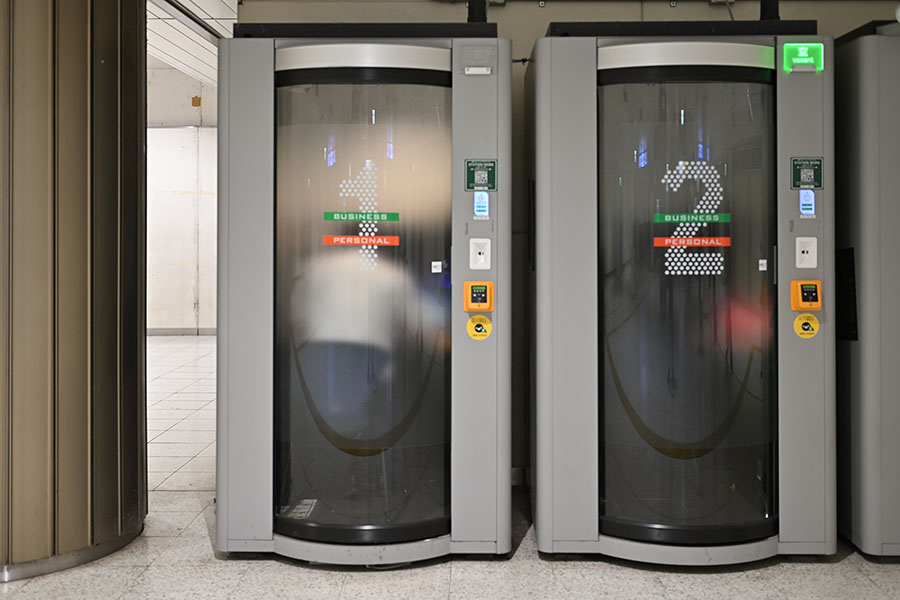
- Coworking: Tokyo has hundreds of coworking spaces across all price points. Fukuoka and Osaka have solid but smaller ecosystems. Day passes typically ¥1,500–¥3,000 ($10–$20); monthly memberships from ¥15,000–¥35,000 ($100–$230).
- Cafe working: Japan has a strong cafe culture. Many nomads work from independent coffee shops and chain cafes — though some have introduced time limits during peak hours.
Practical Considerations
Getting Around
Japan’s public transport is world-class. The shinkansen (bullet train) network connects major cities in hours. Local subway and bus systems in Tokyo, Osaka, and Fukuoka are efficient, punctual, and comprehensive. Most nomads do not need a car — and in cities like Tokyo, having one is actively inconvenient.
IC cards (Suica, Pasmo) work across most transit systems and double as a contactless payment method at convenience stores and vending machines.
Healthcare
Japan has one of the best healthcare systems in the world. As a Digital Nomad Visa holder, you are not enrolled in National Health Insurance — your private policy is the requirement and your safety net. Major cities (Tokyo, Osaka, Fukuoka) have international hospitals and clinics with English-speaking staff. Private hospital visits without NHI run ¥10,000–¥30,000 ($65–$200) per visit before insurance reimbursement.
Language
Japanese is the official language and English proficiency, while improving, is still limited outside tourist areas and international businesses. Apps like Google Translate with camera mode are genuinely useful for menus, signage, and navigation. Learning basic Japanese phrases is appreciated and goes a long way.
Safety
Japan is one of the safest countries in the world. Violent crime is exceptionally rare. Petty theft is uncommon. The main safety consideration for nomads is natural disasters — Japan is seismically active, and typhoons affect coastal areas in summer and autumn. Familiarize yourself with local emergency protocols and keep essential documents accessible.
Cultural Etiquette
Japan’s culture rewards observation and restraint. A few basics worth knowing:
- Remove shoes when entering homes and many traditional establishments
- Quiet voices on public transport — phone calls on trains are generally frowned upon
- Cash is still king in many settings, especially outside major urban areas
- Tipping is not practiced in Japan and can cause confusion
- Recycling rules are strict and taken seriously — learn your building or neighborhood’s system
Challenges to Consider
The income requirement is genuinely high. At $66,000+ annually, Japan’s DN visa screens out a significant portion of the global nomad community. It’s worth being honest about whether you qualify before building plans around it.
Short-term accommodation is expensive. Without a Residence Card, you’re limited to Airbnb, serviced apartments, and short-term platforms — all of which carry a premium over standard Japanese rental rates.
The 6-month non-renewable structure requires planning. Japan cannot be a permanent base under this visa. Plan the 6-month exit and re-entry gap into your annual schedule.
Cash dependency. Japan is ahead of the world on technology in many ways, but its cash culture can catch nomads off guard. Carry yen.
Language barrier in daily life. Outside tourist areas and major coworking spaces, navigating bureaucracy, medical appointments, and landlord communications in Japanese is a real friction point.
FAQs
Can I work remotely in Japan on a tourist visa? Technically, no. The 90-day visa-free entry available to many nationalities does not authorize remote work. The Digital Nomad Visa is the legal path for remote workers. That said, enforcement on short tourist stays has historically been limited — but nomads planning stays of any real length should use the correct visa.
How much do I need to earn to qualify for Japan’s Digital Nomad Visa? A minimum of ¥10,000,000 annually — approximately $66,000–$68,000 USD at current exchange rates. This must be earned from employers or clients outside Japan.
Can I bring my family on Japan’s Digital Nomad Visa? Yes. Spouses and dependent children can accompany the primary applicant under a companion designation (Notification No. 54). You will need proof of relationship documents for each family member.
Can I open a Japanese bank account on the Digital Nomad Visa? No. Traditional Japanese banks require a Residence Card, which is not issued under this visa. Use Wise, Revolut, or an international multi-currency card for day-to-day transactions. ATMs at 7-Eleven and Lawson accept most international cards.
Is Japan’s Digital Nomad Visa renewable? No. It cannot be renewed in-country. After your 6-month stay you must leave Japan and remain outside the country for 6 months before reapplying.
What is the best city in Japan for digital nomads? Fukuoka offers the best combination of cost, community, and quality of life for most nomads. Tokyo is the right choice for those who want maximum infrastructure, networking, and energy. Osaka suits nomads who prioritize food, culture, and a social atmosphere at lower cost than Tokyo.
Do I pay Japanese income tax on the Digital Nomad Visa? Generally no, as long as your income comes from overseas sources. Japan’s tax residency threshold is 183 days, and the 6-month visa keeps most holders under that threshold. Consult a tax professional for your specific situation, particularly if you are close to the 183-day threshold or have complex income sources.
How do I get around in Japan as a digital nomad? Public transit is the standard — and it’s exceptional. Get a Suica or Pasmo IC card on arrival, which works across subway, bus, and rail networks in most major cities and functions as a contactless payment card at convenience stores.
Connect with fellow location-independent professionals by joining our exclusive Nomados Digital Nomad Community for ongoing support, insider tips, and updates to enhance your borderless lifestyle.
Disclosure: This article was created with AI assistance and reviewed by the Nomados editorial team for accuracy and clarity. Visa requirements can change — always verify current details with the Japanese Embassy or Consulate in your country before applying.
Ready to plan your move to Japan? Nomados helps you navigate visas, compare destinations, access eSIMs, and manage cross-border logistics — all in one place. Explore Nomados