
Is Italy a good place for digital nomads and remote work?
Yes. Italy remains one of the most inspiring places in the world to live and work remotely. Cities feel like open-air museums. Daily life runs on food, rhythm, and human connection. Internet speeds are strong in major urban areas, transportation is accessible, and the cost of living varies dramatically depending on where you choose to base yourself.
But the practical side matters too. Italy is beautiful, complex, sometimes slow-moving, and full of contradictions. That makes it an incredible place to spend time as a digital nomad, but it also means you need a clear understanding of how to legally stay long-term.
Italy does not yet have a widely accessible digital nomad visa. There is a law in place, but the pathway is limited and still rolling out. Most nomads rely on short-term Schengen stays or one of Italy’s other established residence permits.
If you want inspiration, connection, and the kind of lifestyle that slows you down in the best possible way, Italy delivers. You just need a plan for how long you intend to stay.

Visa and Stay Options in Italy
Schengen Short Stay (Up to 90 Days)
Most travelers can stay in Italy for 90 days within a 180-day period without a visa. For many digital nomads, this is the simplest and most common approach.
The Italy Digital Nomad Visa (Law Approved, Limited Implementation)
Italy passed a law creating a digital nomad visa, but practical access has been limited. Here’s what is known and confirmed:
• Designed for highly skilled remote workers
• Requires evidence of substantial income
• Applicants must work for companies or clients outside Italy
• Requires health insurance, accommodation, and a clean criminal record
• Must meet the government’s criteria for “highly qualified work”
Some consulates have released guidelines, while others are still rolling out procedures. Availability is inconsistent. For now, it is not a broad, open, nomad-style visa like Portugal or Spain.
It may become more accessible in the future as Italy refines its implementation.
Self-Employment Visa (Lavoro Autonomo)
A long-standing option but complex. Requirements include:
• proof of professional qualifications
• clear business justification
• limited annual quotas
• proof of financial means
Approved applicants can work as freelancers or entrepreneurs.
Elective Residency Visa
For those with significant passive income.
Not suitable for someone working actively for foreign clients.
Ideal for retirees or financially independent travelers.
Long-Term EU Stays via Other Countries
Some nomads cycle between Italy and other EU bases where they hold residence permits, spending part of the year in each location.
The doors are open on Nomados Pro!
Plan journeys. Save itineraries. Use Miles, your AI travel assistant, to think through options and decisions. Add services on demand like airport lounges, data plans, and visas when you need them.

Top Cities for Digital Nomads in Italy
Rome
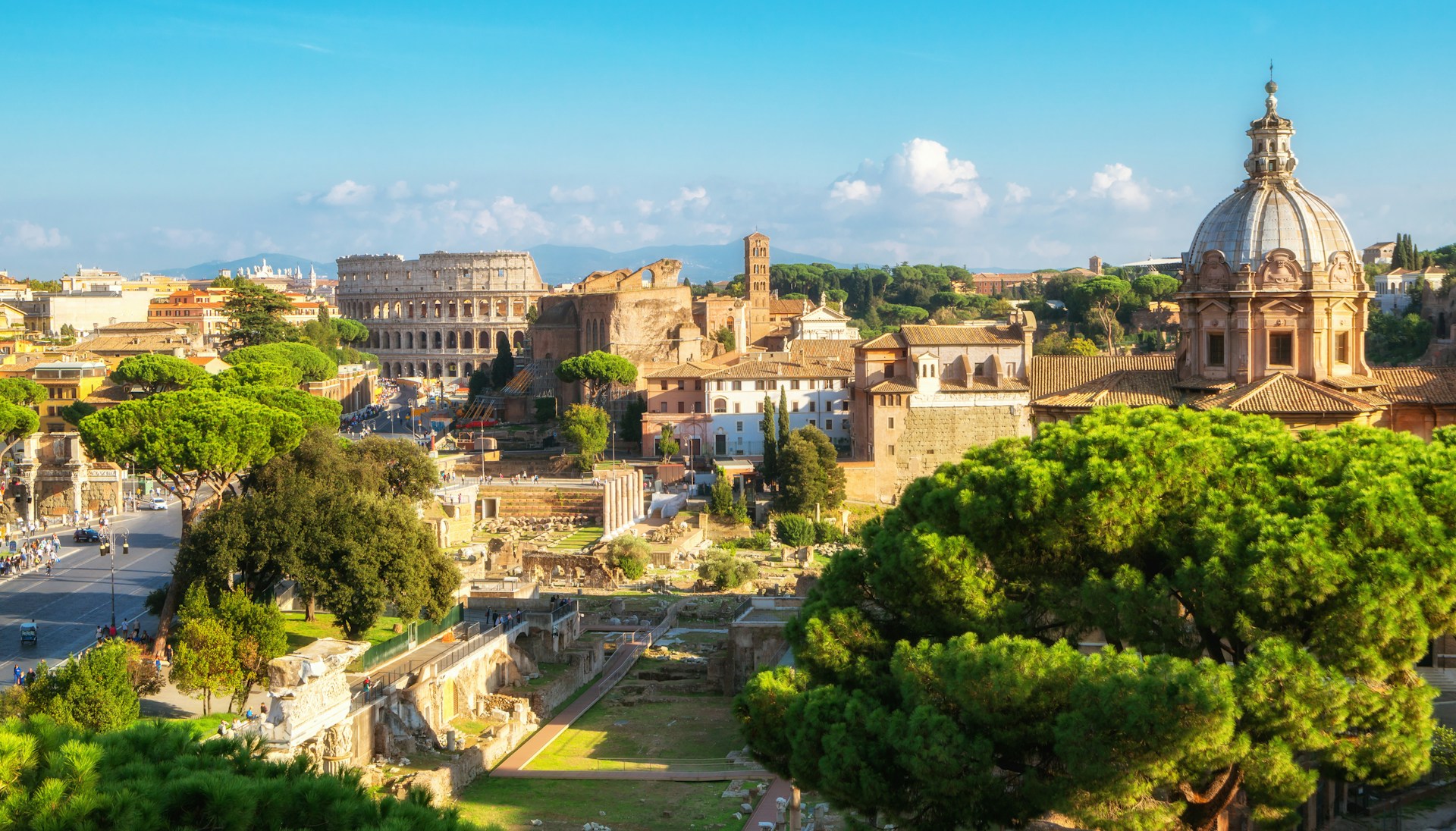
Rome is a city that never sits still, even when it looks like it’s been frozen in time. Street life spills into piazzas. Cafés stay open late. History is everywhere, but so are young creatives, freelancers, and students who make the city feel surprisingly modern.
Remote workers will find a mix of stylish coworking spaces, neighborhood cafés that welcome laptops, and residential pockets that feel calm even when the tourist areas are intense. Internet quality varies by district, so choosing the right neighborhood matters.
Rome is ideal for digital nomads who want inspiration, beauty, and a pace that unfolds slowly but meaningfully.
Milan
Milan is Italy’s engine room. It is polished, efficient, and globally minded. Fashion, finance, tech, and design all collide here, which makes the city feel more Northern European than Mediterranean.
For remote workers, Milan delivers what it promises: fast internet, structured public transport, plenty of coworking options, and a modern lifestyle built around productivity. Neighborhoods like Porta Romana, Isola, and Porta Nuova feel almost custom-made for remote work.
If you want Italy without the slower rhythms or bureaucratic drift, Milan is the most predictable base.
Florence
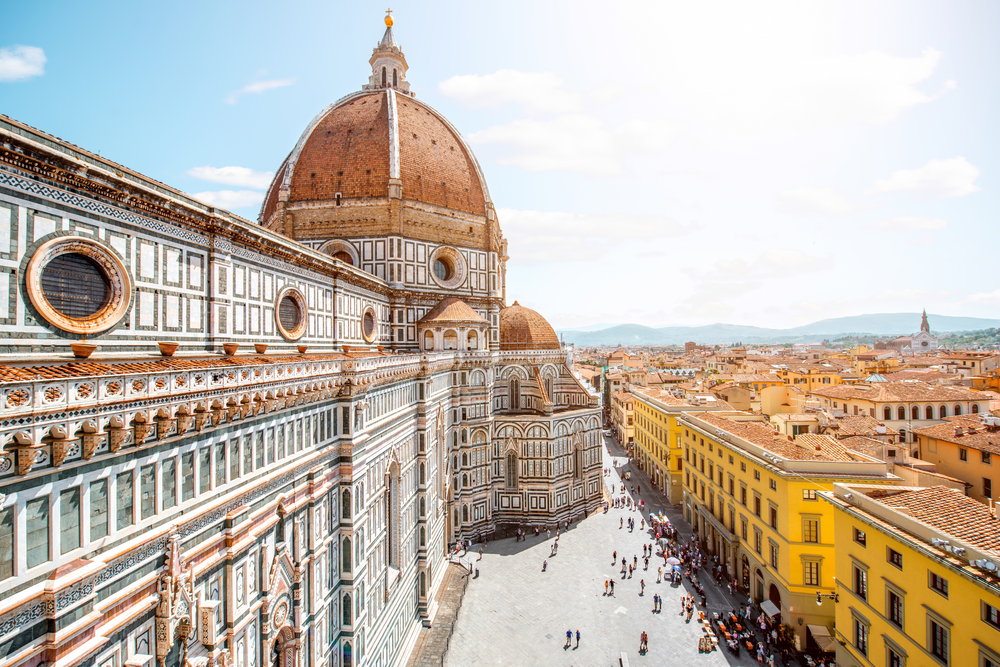
Florence feels like a living art studio. The scale is intimate. The architecture is overwhelming in the best way. Writers, designers, researchers, and remote workers who crave beauty tend to fall in love with this city quickly. It is walkable, easy to understand, and full of cafés and libraries where you can quietly work for hours.
The downside is crowd pressure during peak season. But outside the tourist core, Florence offers peaceful neighborhoods, strong coffee culture, and the kind of slower cadence that helps you think again. Perfect for nomads working on big creative or strategic projects.
More Top Cities for Digital Nomads in Italy
Bologna
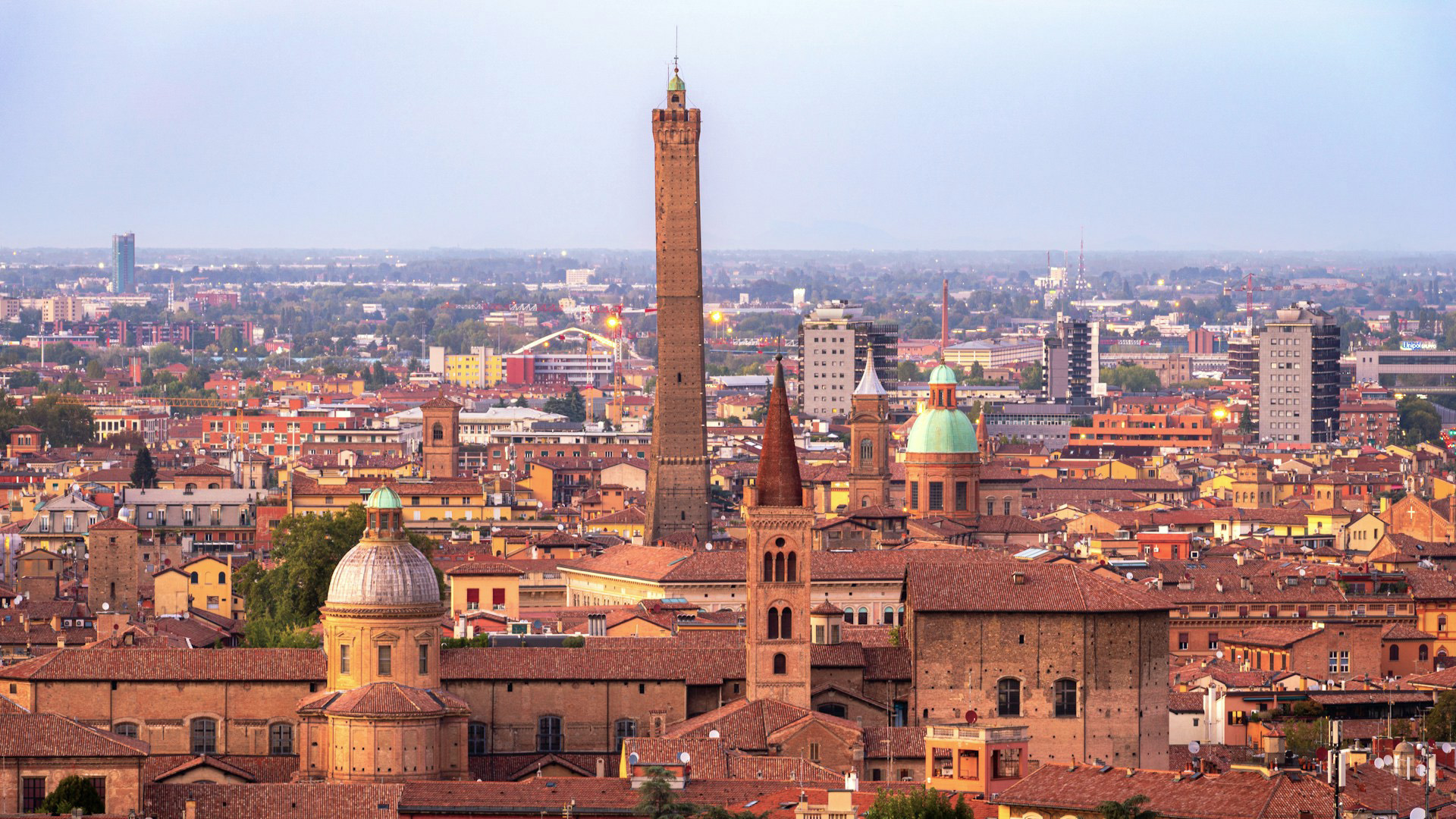
Bologna is friendly, grounded, and refreshingly real. It is home to one of the world’s oldest universities, so the city has a youthful, intellectual energy without feeling chaotic. Portico-lined streets make it easy to walk year-round, and the food culture is legendary.
For digital nomads, Bologna offers a comfortable cost of living, reliable internet, and coworking options spread across the historic center.
It is a fantastic middle-ground: less intense than Milan, less crowded than Florence, and more local than Rome. Many nomads end up staying longer than planned.
Turin
Turin is elegant, organized, and underrated. Once the capital of Italy, it still carries a quiet sense of grandeur. Cafés here feel intentionally designed for slow mornings with your laptop open.
The cost of living is friendlier than Milan, and the urban layout—squares, wide boulevards, riverside paths—supports both work and rest.
For remote workers who want structure, beauty, and a more affordable northern base, Turin is a standout choice. It is also a hub for chocolate, cinema, automotive history, and Alpine day trips.
Southern Italy (Naples, Bari, Palermo
Southern Italy offers a completely different rhythm: warm evenings, long meals, community energy, and a sense of place that’s deeply felt.
Naples is intense, vibrant, and full of character.
Palermo blends history with a creative, bohemian edge.
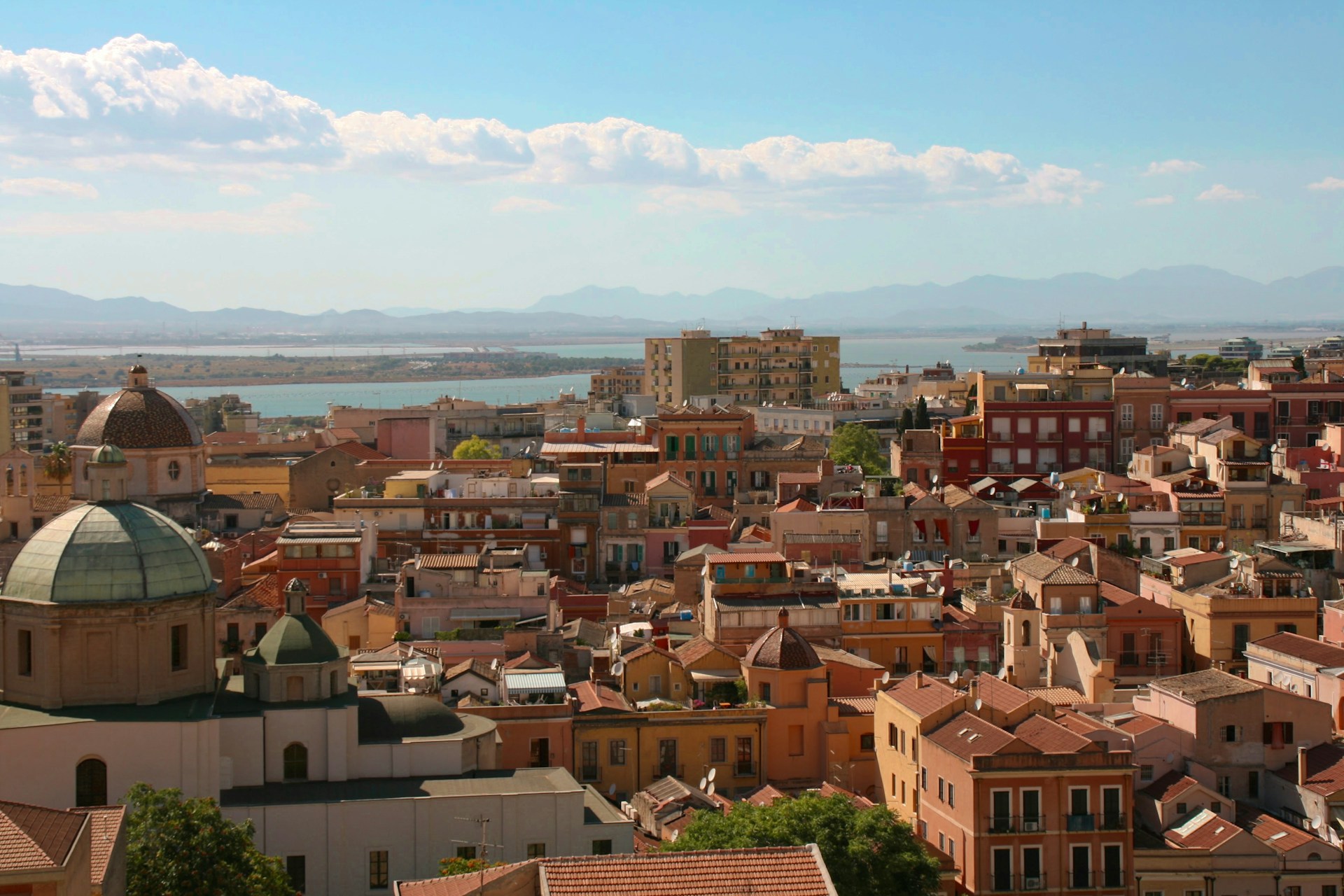
Bari is coastal, bright, and surprisingly good value. Internet speeds and bureaucracy can vary, and life moves at a slower, less structured pace. But if you want sunlight, food culture, and lower living costs in exchange for a little flexibility, the south can be incredibly rewarding for remote work.
Cost of Living and Budgeting
Italy’s cost of living depends entirely on where you land.
Approximate monthly budgets:
• Milan: USD 2,500 to 3,500+
• Rome: USD 2,200 to 3,200
• Florence: USD 2,000 to 3,000
• Bologna / Turin: USD 1,800 to 2,800
• Southern Italy: USD 1,400 to 2,300
Groceries, transport, and coffee remain accessible across the country. Rent is the largest variable.
Internet and Infrastructure
Italy’s internet infrastructure is stronger than many expect, especially in larger cities. Fiber speeds of 100–1000 Mbps are common in urban centers. Rural areas can be slower.
Coworking spaces are widely available in:
• Rome
• Milan
• Florence
• Bologna
• Turin
Public transport is reliable in most major cities. High-speed trains connect the country from north to south.
Lifestyle and Culture in Italy
Italy does something unusual to your daily rhythm. Life unfolds at a pace that feels intentional, human, and rooted in tradition, yet it never feels static. For digital nomads, this creates a kind of soft structure that supports both focus and enjoyment.
Everyday life is built around small rituals
Morning espresso at the bar. A walk through narrow streets before work. Long lunches that encourage conversation instead of rushing back to your laptop. Aperitivo hour where the line between social time and unwinding blurs gently. These rhythms shape your days in ways that feel grounding rather than distracting.
Food culture is central, not performative
Meals are not just meals. They’re a way of participating in local life. Each region has its own vocabulary of flavors and traditions. Emilia-Romagna for pasta and hospitality. Lazio for simple, salty dishes. Piedmont for rich sauces and café culture. The south for citrus, seafood, and long evenings outdoors. Even a modest trattoria becomes a place where life slows down long enough for you to actually taste it.
Art and history become part of the background noise
Statues, frescoes, Renaissance architecture, and centuries-old streets aren’t gated behind museum doors. They’re stitched into the landscape you move through daily. For many remote workers, this proximity to beauty creates a kind of creative pressure. You think differently. You work differently. You notice more.
The social fabric is strong
Italy values relationships. People know their neighbors. Conversations with shop owners become part of your routine. If you stay long enough in one place, you become recognizable at the café or market, which can shift the entire way you experience the city. Digital nomads who spend time here often say they feel less anonymous than in other European hubs.
Work-life balance is culturally enforced
Italy does not reward overwork in the way some countries do. You won’t find praise for late-night emails or bragging about nonstop productivity. People value time with family, friends, and community. This can be an adjustment for nomads used to hustle-heavy environments. It can also be transformative.
Seasonality shapes everything
Spring brings open windows, flowers, and early evening gatherings. Summer is long days, coastal escapes, and crowded cities. Autumn is food festivals, harvest season, and cooler walks through old towns. Winter is quieter and more intimate. Italy feels like four different countries depending on the time of year, which keeps remote life interesting.
Creative energy is everywhere
Writers work in cafés overlooking ancient courtyards. Designers sketch on trams. Students fill libraries and bookshops with quiet intensity. Musicians set up in piazzas in the evening. For digital nomads in creative or strategic fields, Italy has an atmosphere that nudges your imagination in directions you might not expect.
Life encourages presence, not speed
Italy isn’t built for efficiency in the same way northern Europe is. But it is built for living well. If you’re willing to adapt your expectations, slow down a little, and let the country’s rhythm set the tone, the payoff is enormous. It becomes a place where your life feels fuller even while your work stays steady.
Things to Consider
Italy is one of the most inspiring places to live and work, but it also comes with practical realities that digital nomads should know before settling in.
Bureaucracy can be slow and inconsistent
Italy is beautiful, layered, and full of life, but the administrative side reflects a much older rhythm. Paperwork often requires in-person visits. Offices may have limited hours. Procedures vary from region to region. None of this is a deal-breaker. It just means you should build patience into your expectations, especially for visas, registrations, or anything involving local offices.
The digital nomad visa exists, but real-world access remains narrow
Italy passed a law creating a digital nomad visa, but it was designed for a specific group of highly skilled remote workers and is still rolling out. Requirements differ between consulates, and availability is not predictable. Many nomads find the existing Self-Employment or Elective Residency visas more practical for now.
Tourist seasons shape the experience
Spring and fall are exceptional times to be in Italy. Summer brings beauty, long evenings, and coastal energy, but it also brings higher prices, crowded city centers, and reduced availability of long-term rentals. If you plan to stay in Rome, Florence, Venice, or anywhere along the coast, timing will affect both your budget and your daily life.
Internet speeds vary by neighborhood
Large cities like Milan, Rome, Bologna, and Turin generally have reliable fiber connections, but speeds can vary block by block. Rural areas and older buildings may have slower service. Always check the internet setup in your rental before you book, especially if you rely on video calls.
Public transport is strong in cities but limited in rural areas
Italy’s major cities have efficient metros, buses, and trams. High-speed trains make moving between regions easy. But once you get outside major hubs, schedules thin out and weekend service can be limited. If you plan to base yourself in smaller towns or coastal regions, you may need more flexibility.
August shutdown is real
Many Italians take holidays in August, and entire neighborhoods slow down. Shops close, offices reduce hours, and cities like Rome can feel unusually quiet. This can be peaceful for some nomads and frustrating for others, depending on the kind of routine you want.
Cost varies dramatically by region
Northern cities are more expensive, with Milan at the high end. Rome and Florence sit in the middle. Bologna, Turin, and many southern cities offer better value. Housing prices in tourist centers spike during peak seasons. Food, transport, and day-to-day costs remain accessible across most of the country.
English is common in cities, less so in small towns
You can comfortably navigate Rome, Milan, and Florence with English. Outside major hubs, especially in the south or in smaller towns, Italian becomes more essential. Learning a few phrases goes a long way and often leads to warmer local interactions.
Daily life runs on human connection
Italy’s rhythm is slower and more relational than many nomads expect. Conversations matter. Meals are unhurried. Locals value presence over productivity. This is part of Italy’s beauty, but it can feel unfamiliar if you come from highly efficient, productivity-focused environments.

Frequently Asked Questions about Italy
Is Italy good for digital nomads?
Yes. Italy offers culture, food, beautiful cities, and inspiring daily life. Infrastructure is strongest in major cities.
Does Italy have a digital nomad visa?
There is a law creating one, but it is not widely implemented. Requirements are limited to highly skilled workers and procedures vary.
How can digital nomads stay in Italy long-term?
Common pathways include the Self-Employment visa, Elective Residency visa, or Schengen short stays. The DN visa may become more practical over time.
Is Italy safe for solo travelers?
Yes. Most cities are safe with normal precautions.
How expensive is it to live in Italy?
Costs vary widely. Milan and Rome are high. Bologna, Turin, and much of the south are more accessible.
Is English spoken?
In major cities and tourist areas, yes. In smaller towns, less so.
Does Italy have good Wi-Fi?
In large cities, yes. Fiber is common. In rural areas, speeds vary.
Connect with fellow location-independent professionals by joining our exclusive Nomados Digital Nomad Community for ongoing support, insider tips, and updates to enhance your borderless lifestyle.
Italy is one of the most inspiring countries for remote work, but it is not the simplest. If you want beauty, culture, and a life that feels meaningful outside your screen, Italy gives you all of that. If you need predictability and straightforward visa paths, you will need a plan.
It may not have a fully open digital nomad visa yet, but it has everything else a remote worker could want. As Italy continues to develop its official DN pathway, the country will likely become even more attractive to long-term remote workers.
Disclosure: Portions of this article were created with the assistance of AI tools and reviewed by the Nomados editorial team for accuracy and clarity.