
Why Is Peru a Good Destination for Digital Nomads in 2025?
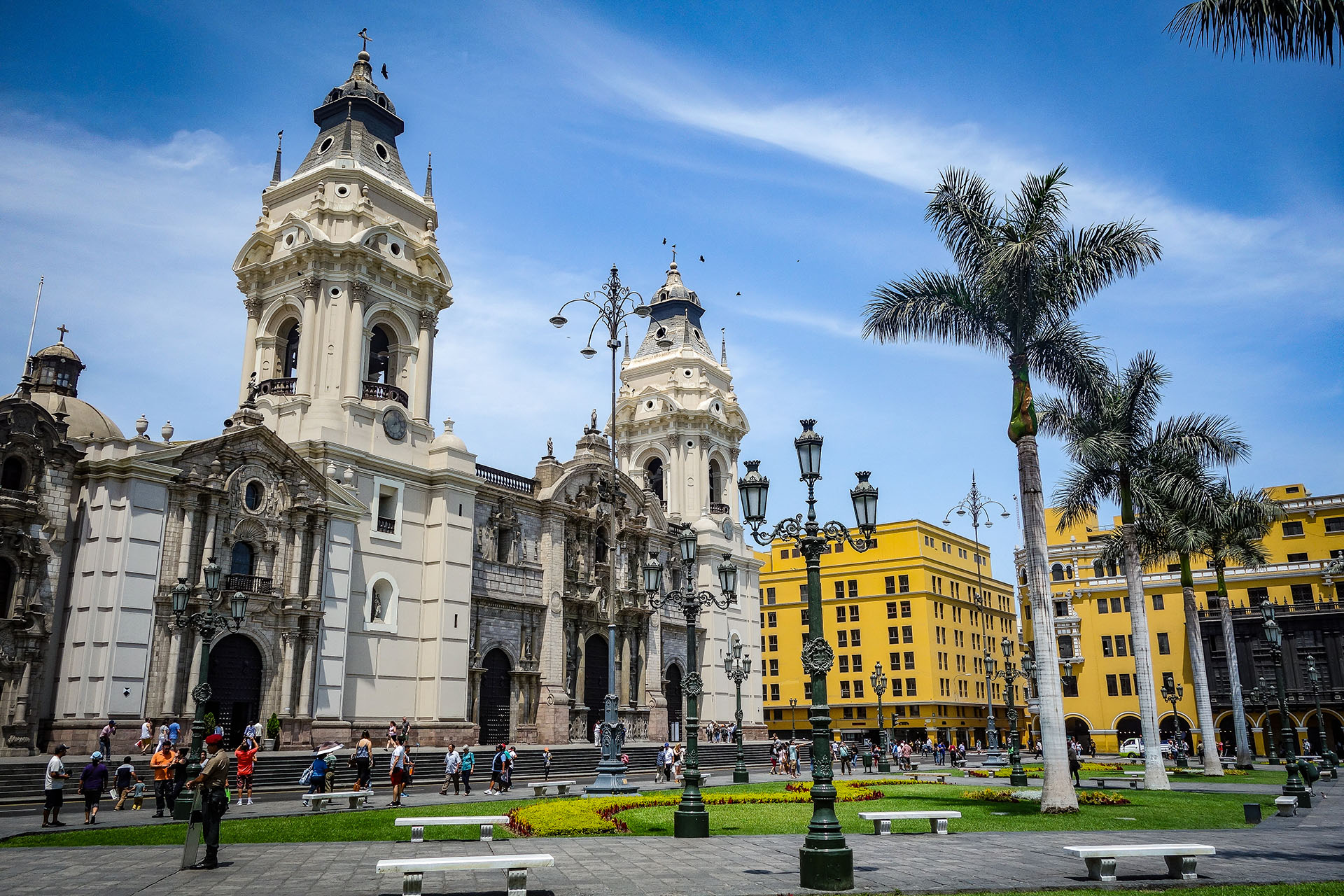
Peru is one of South America’s most rewarding bases for remote work. It combines fast-growing infrastructure with a cost of living that’s still accessible, especially in cities like Lima, Arequipa, and Cusco. Remote workers can live comfortably on USD 1,000–1,500 per month while enjoying world-class cuisine, mountain views, and rich cultural heritage.
The country has also introduced a digital nomad visa, allowing remote professionals to stay for up to one year while working for foreign companies. Reliable internet, strong coffee culture, and diverse landscapes—from Pacific beaches to the Andes and Amazon—make Peru an inspiring place to live and work.
The door are now open for the next 100 people! Polished mobile version, triple the destinations, cross-border insurance and more. Join the next 100 people FREE.
Visa and Stay Options
Peru’s digital nomad visa was first introduced through legislative updates in late 2023, creating a one-year stay option for remote workers with income from abroad. The program is still being finalized, but early reports suggest applicants will need proof of ongoing remote income, health insurance, and a clean criminal record.
Until the digital nomad visa is fully operational, most remote workers continue to enter on tourist visas, which allow stays of up to 183 days for many nationalities. Renewals or border runs are sometimes possible, but regulations can vary, so always confirm with Peruvian immigration before arrival. Working for Peruvian companies still requires a separate employment visa.
Best Cities for Remote Work in Peru
Lima
Peru’s capital is the most connected city and the best choice for nomads who want access to modern infrastructure, coworking spaces, and a growing creative scene. Lima’s neighborhoods like Miraflores and Barranco offer ocean views, art galleries, and cafés where you can work with reliable Wi-Fi and a flat white. The city also hosts Latin America’s most acclaimed culinary scene, from Michelin-recognized restaurants to beachside cevicherías.
Though Lima is bustling, it’s also practical: affordable apartments, a strong expat presence, and solid public transit make it a comfortable long-term base.
Cusco
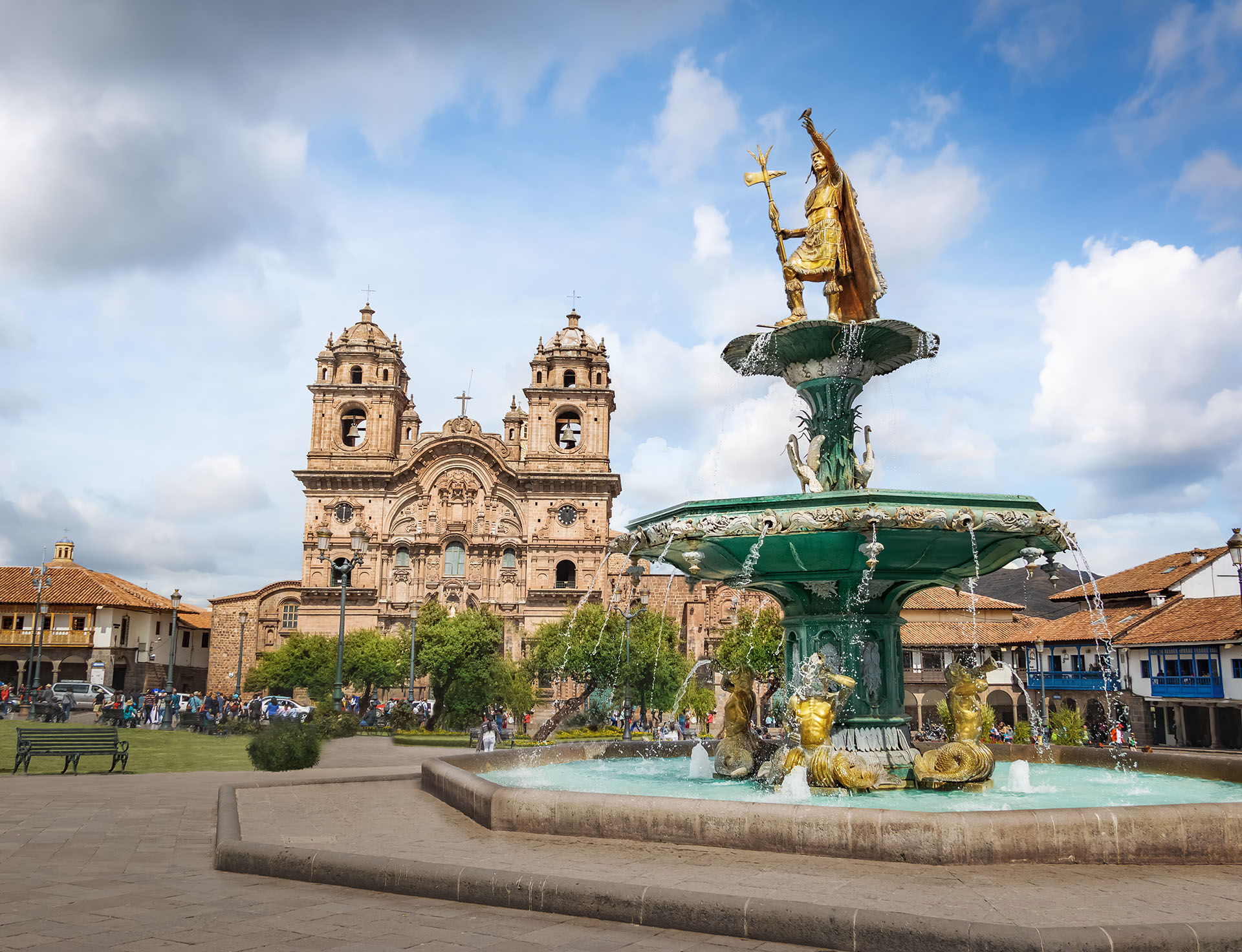
Once the capital of the Inca Empire, Cusco sits at 3,400 meters in the Andes and attracts digital nomads seeking culture and adventure in equal measure. The city offers good internet for its altitude, a slower rhythm of life, and quick access to the Sacred Valley and Machu Picchu.
Coworking spaces and hostels cater to long-term travelers, and the blend of ancient stone streets and coffee-fueled creativity makes Cusco ideal for remote workers who want inspiration outside their window. It’s cooler and quieter than Lima, and the high-altitude air brings a rare kind of focus.
Arequipa
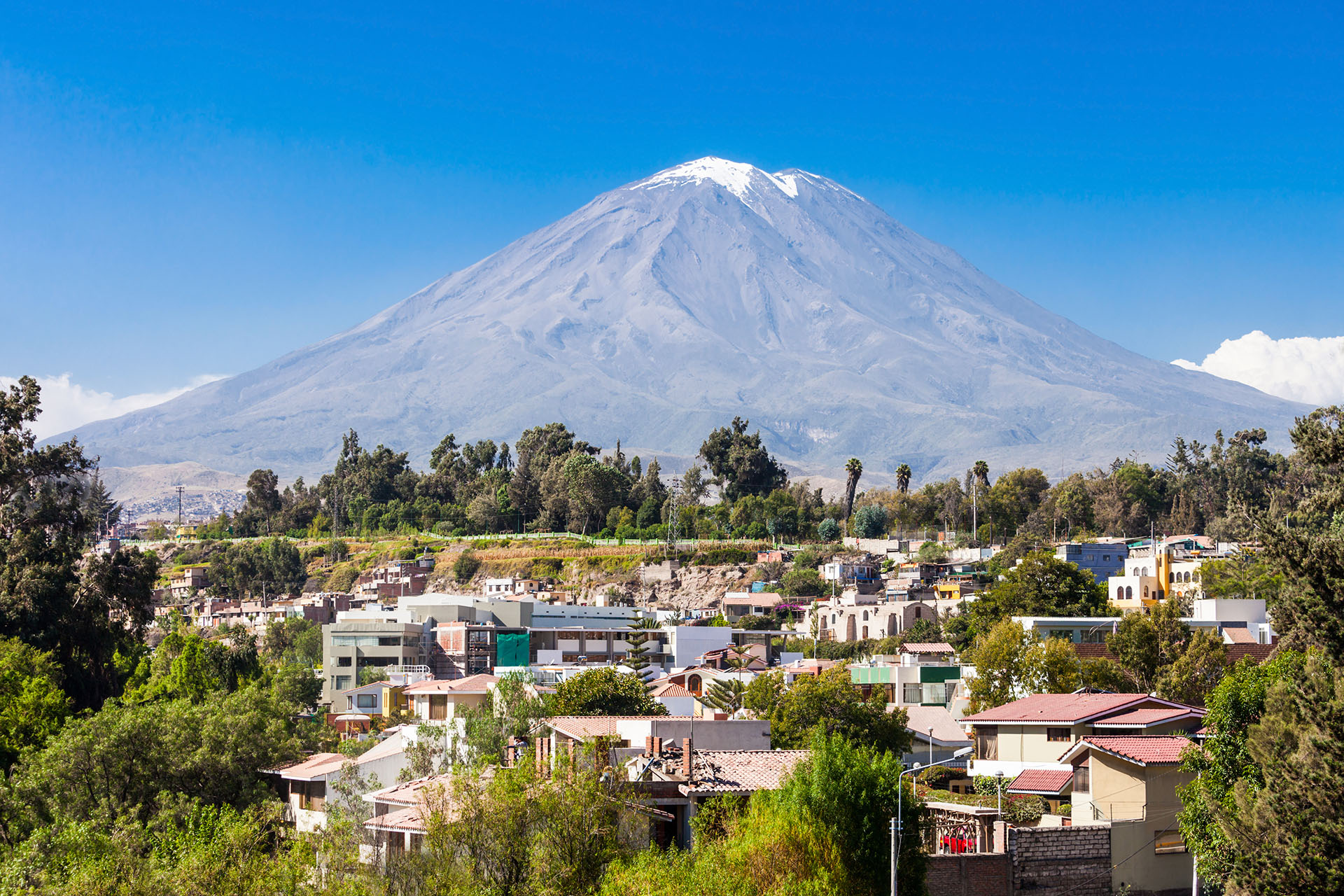
Known as the “White City” for its volcanic-stone architecture, Arequipa is one of Peru’s most scenic and livable mid-sized cities. The pace is relaxed, rent is low, and Wi-Fi speeds are solid. Digital nomads enjoy coworking hubs like Selina and local cafés with outdoor patios and mountain views.
The climate is mild year-round, and proximity to volcanoes and national parks makes it perfect for weekend exploration. Arequipa’s combination of affordability, stability, and beauty often surprises travelers who expected Lima or Cusco to dominate the scene.
Cost of Living in Peru
Peru offers some of the best value in Latin America. In Lima, digital nomads can live comfortably on USD 1,000–1,500 per month, while smaller cities like Arequipa or Cusco often come in under USD 1,000.
A one-bedroom apartment in a central Lima neighborhood averages USD 500–800, while utilities, Wi-Fi, and groceries rarely exceed USD 300–400. Dining out is a highlight—local meals can cost less than USD 5, while fine dining remains affordable compared to global standards. Transport, coworking memberships, and SIM plans are inexpensive, making Peru ideal for long-term stays without overspending.
Peru’s Internet & Infrastructure for Remote Workers
Peru’s internet infrastructure is strongest in Lima, where coworking spaces, cafés, and apartments typically offer fast Wi-Fi suitable for remote work. Speeds in Lima and Arequipa commonly range between 100–250 Mbps, and mobile coverage is reliable throughout urban areas.
In more rural regions, connectivity can vary, so digital nomads planning to work from Cusco or the Sacred Valley may want to secure accommodations that confirm stable service. Lima’s Jorge Chávez International Airport serves as a major South American hub, offering direct flights across the continent and beyond.
Lifestyle & Culture in Peru
Peru is a country that rewards curiosity. Its landscapes stretch from Pacific beaches to Amazon rainforests, and its cities layer colonial history with Indigenous traditions. For digital nomads, that means work-life balance can include surfing, hiking, or learning traditional cooking techniques—all within a few hours of your base.
The food scene is legendary. Lima alone has multiple restaurants ranked among the world’s best, and even small towns serve fresh, locally sourced dishes. Street markets, art scenes, and community festivals make cultural immersion effortless. Spanish is widely spoken, though you’ll find English speakers in tourist and expat areas.
FAQs about Peru for Digital Nomads
What is the best visa for digital nomads in Peru?
Peru’s new digital nomad visa allows remote workers to stay for up to one year while earning income from foreign sources. Until it’s fully active, most nomads use tourist visas.
How much money do I need to live comfortably in Peru?
Around USD 1,000–1,500 per month in Lima, and less in smaller cities like Cusco or Arequipa.
Is it legal to work remotely while in Peru?
Yes, as long as your clients or employer are outside Peru. Local employment requires a separate visa.
Do I need to speak Spanish?
It helps, especially outside major cities. English is common in Lima’s expat zones and coworking spaces.
Is Peru safe for solo travelers and digital nomads?
Yes, overall. Take normal precautions, research neighborhoods, and use registered taxis or rideshare apps.
How reliable is internet in Peru?
Very reliable in Lima and Arequipa. Connectivity in Cusco and smaller towns varies but is improving each year.
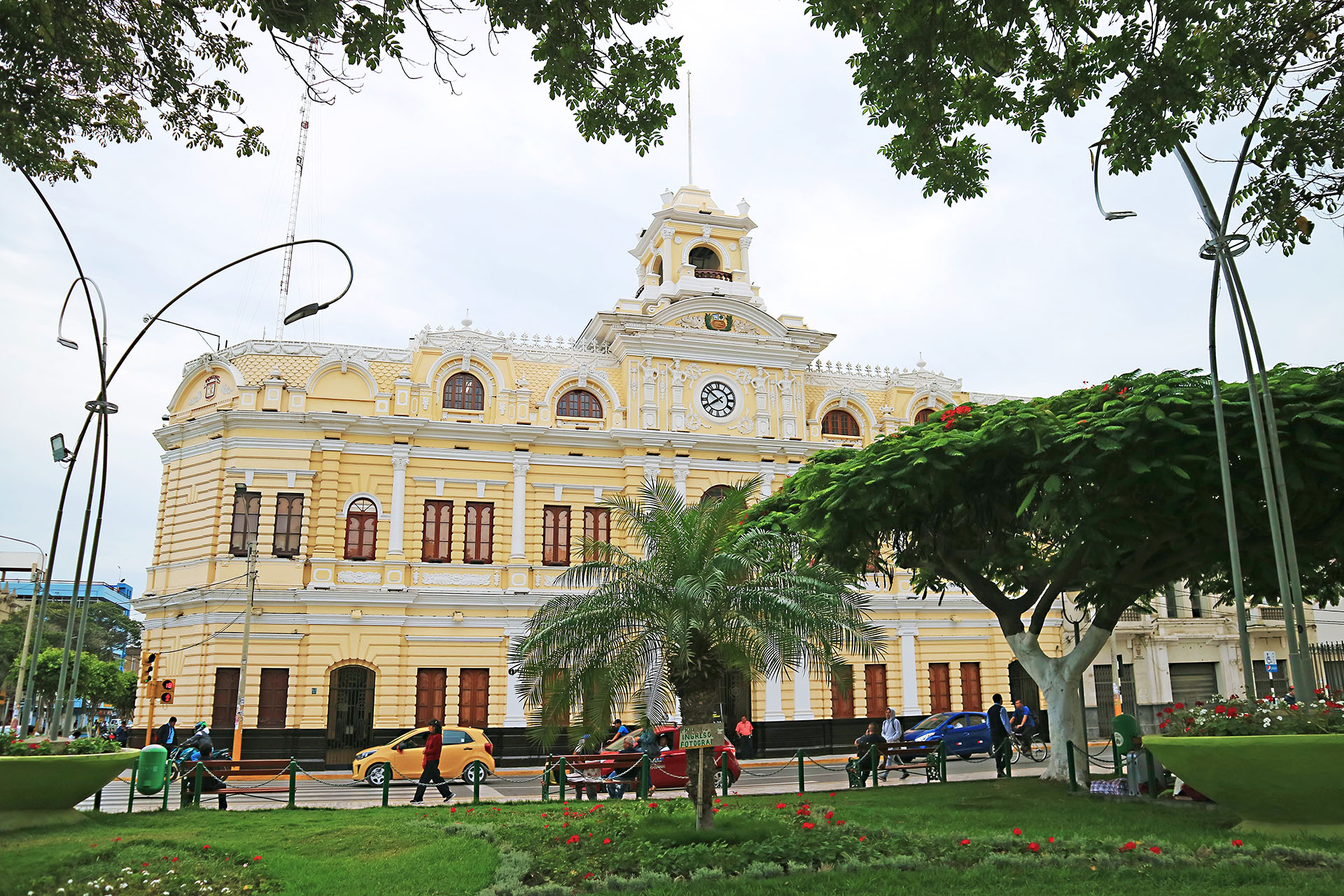
Peru offers digital nomads something rare: affordable living, breathtaking scenery, and a deep cultural landscape that turns every weekend into a new discovery. It’s modern enough to stay connected, yet traditional enough to feel grounded in place.
For remote workers who want balance between productivity and adventure, Peru delivers both—high-altitude living with low living costs, and a lifestyle that stretches from the Andes to the ocean.
Disclosure: Portions of this article were created with the assistance of AI tools and reviewed by the Nomados editorial team for accuracy and clarity.